Mount Kilimanjaro is Africa’s highest peak and the tallest free-standing mountain in the world.
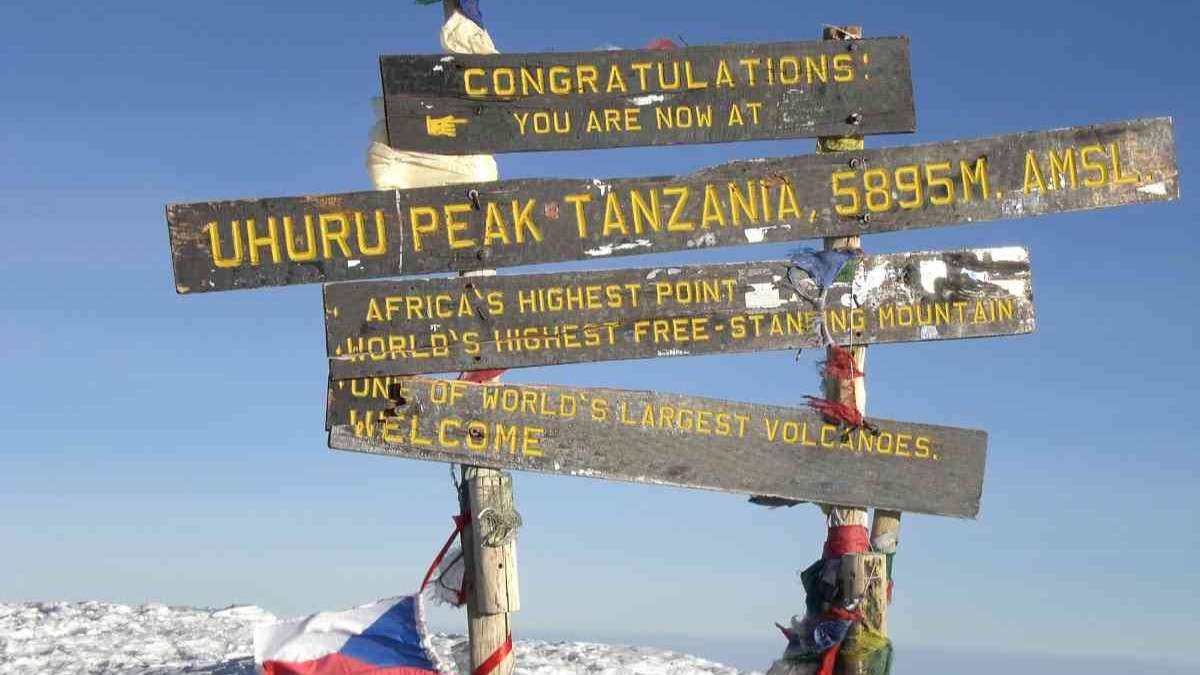
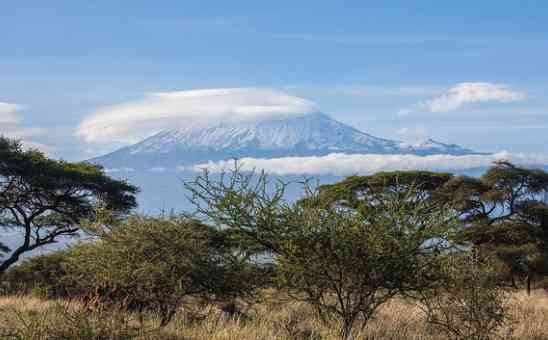
Kili, as it is affectionately known, rises 5,895 meters above Tanzania’s plains. For those seeing breathtaking photographs, Kilimanjaro is best seen from neighbouring Kenya in Amboseli National Park. However, for those who wish to summit its snow-capped peak, you will need to travel to Tanzania.
Climbing Kilimanjaro requires no technical gear. It is one of the most accessible of the Seven Summits, making it popular with over 20000 visitors a year.
While the goal is to summit Mount Kilimanjaro at Uhuru Peak, along the way, trekkers pass through five distinct ecological zones, each with its unique landscapes and wildlife.
From seasoned mountaineers to adventurous first-timers, Kilimanjaro offers an accessible challenge.
Located on Tanzania’s famous Northern Safari Circuit, Kilimanjaro easily combines with destinations like Ngorongoro, the Serengeti, Lake Manyara, and Zanzibar, as well as safari gems accessible from Nairobi, the gateway to East Africa.
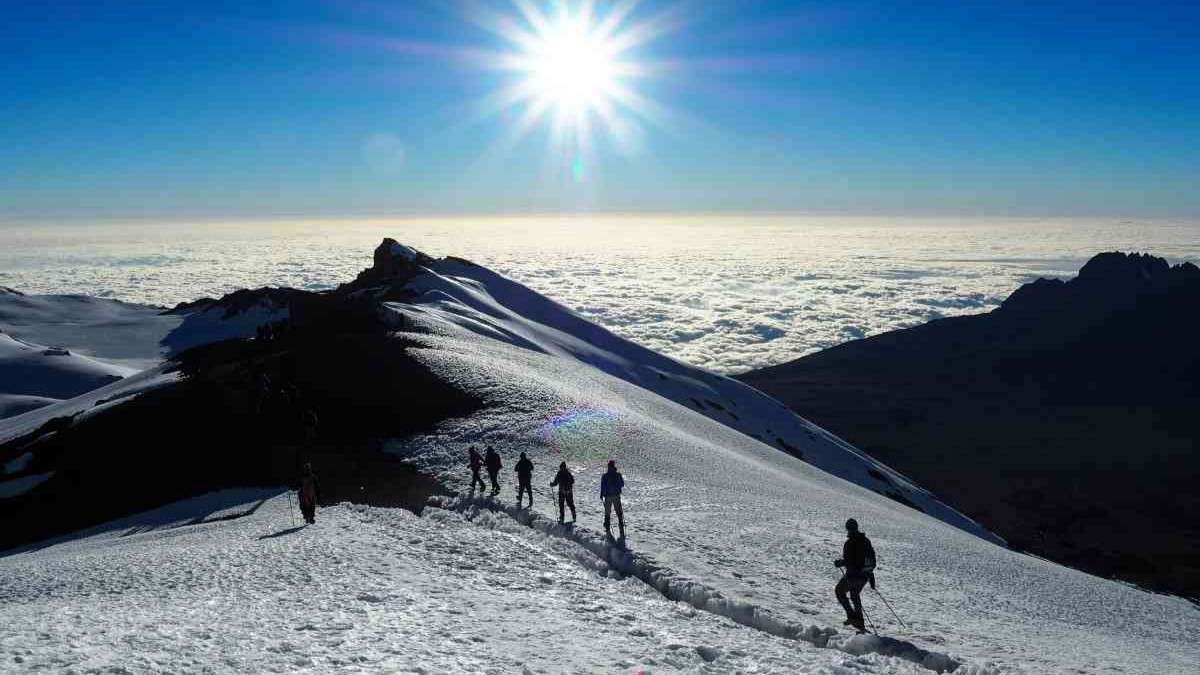
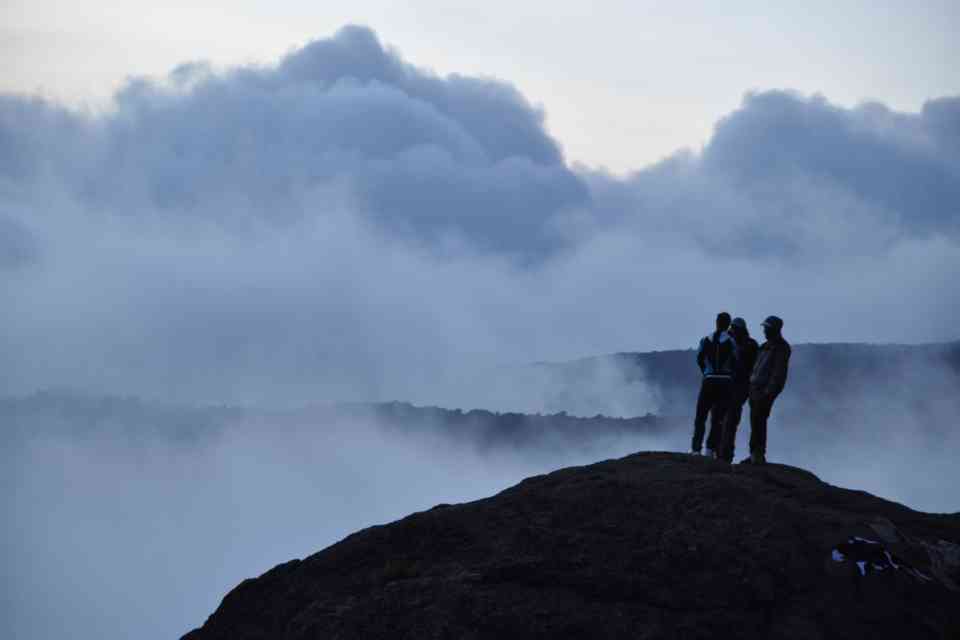
Head in the clouds kilimanjaro hike
Conquer the World and Stand on Top of Africa
The attraction to climbing Kilimanjaro is that you can do it without any specialised equipment or training.
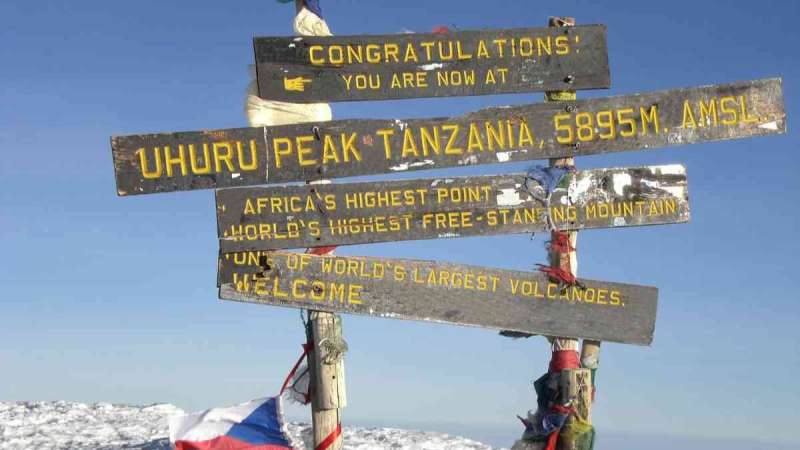
The opportunity to stand on the highest point in Africa at 5,895 metres or 19,340 feet without needing ropes or technical gear is alluring to around 20,000 adventurers each year.
Don’t underestimate the challenge, however. Successfully summitting Kili requires fitness, mental fortitude, and good high-altitude gear.
There are six routes to summit Kilimanjaro, with the most popular being the Marangu Route, the Machame Route, and the Lemosho Route. Each route travels through incredible changing landscapes but offers a slightly different experience.
The Marangu or “Coca-Cola Route” is the shortest and only route with hut accommodation. It is a rapid climb that leads to a lower success rate. The Machame or “Whiskey Route" is more scenic, a little longer, has better acclimatisation, and is more popular. The Lemosho Route is longer and less crowded, offers a wilder start, superb acclimatisation, and excellent summit success rates.
When climbing Kilimanjaro Mountain, picking the right route for you is important, but all routes reward the adventurous with spectacular views.
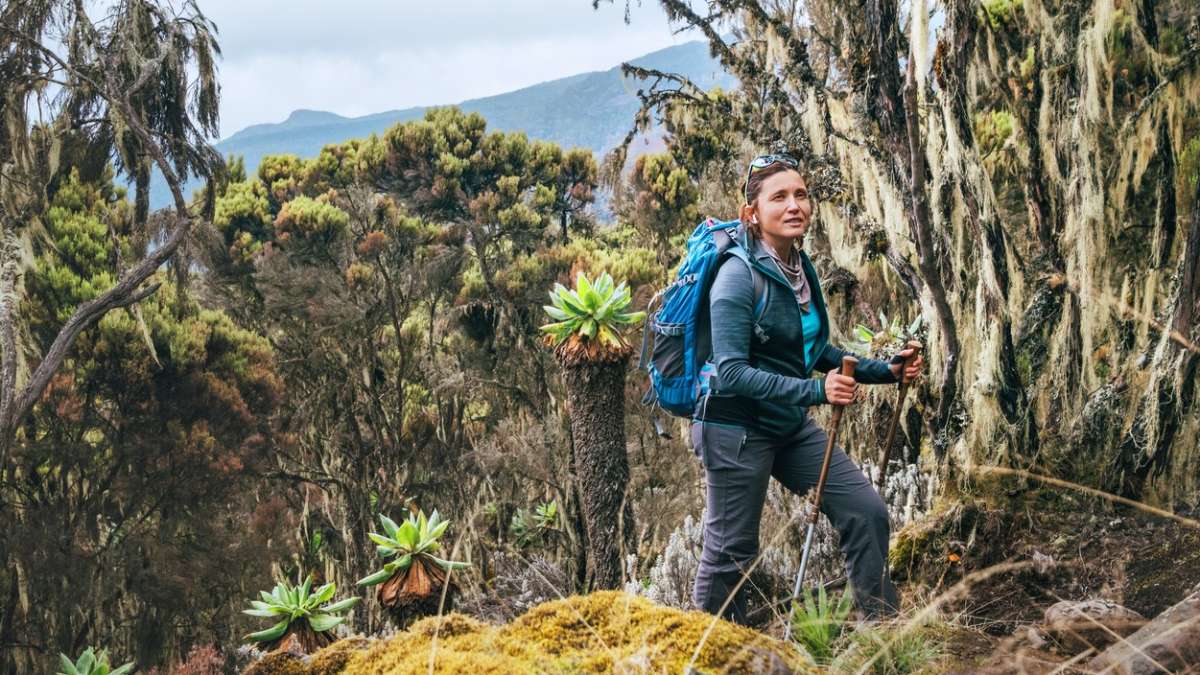
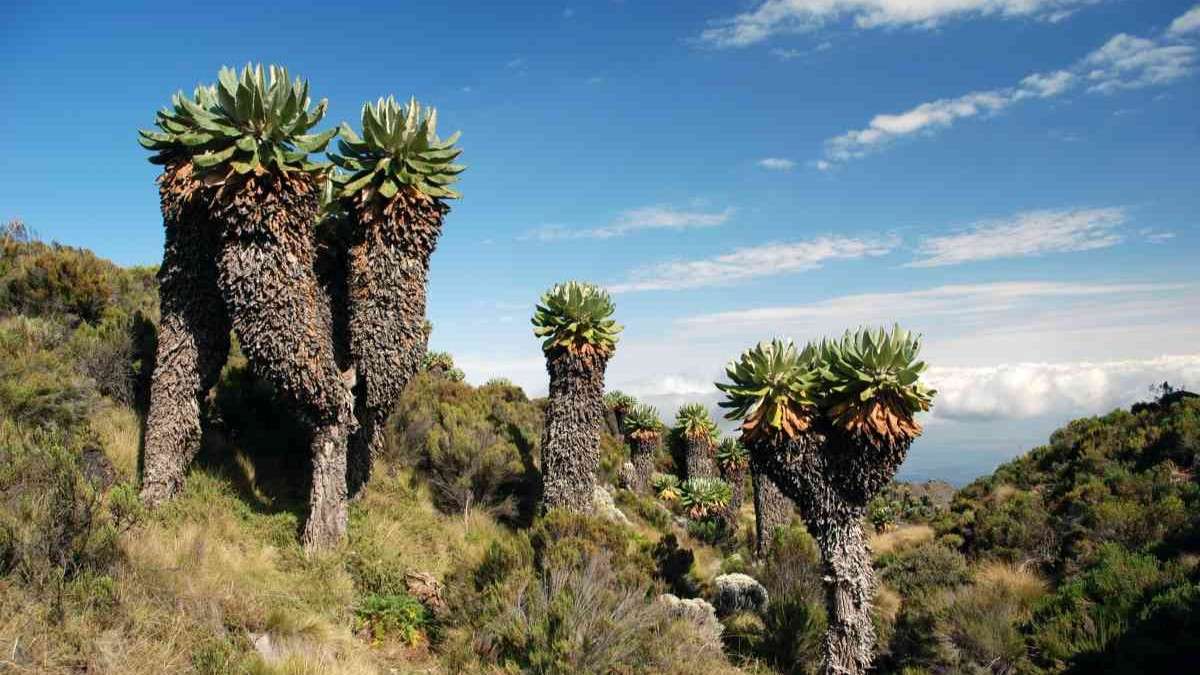
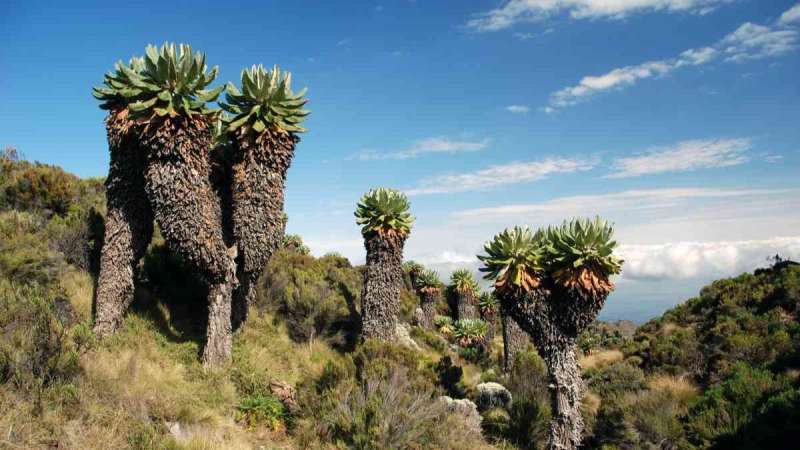
Kilimanjaro vegetation
A World on One Peak
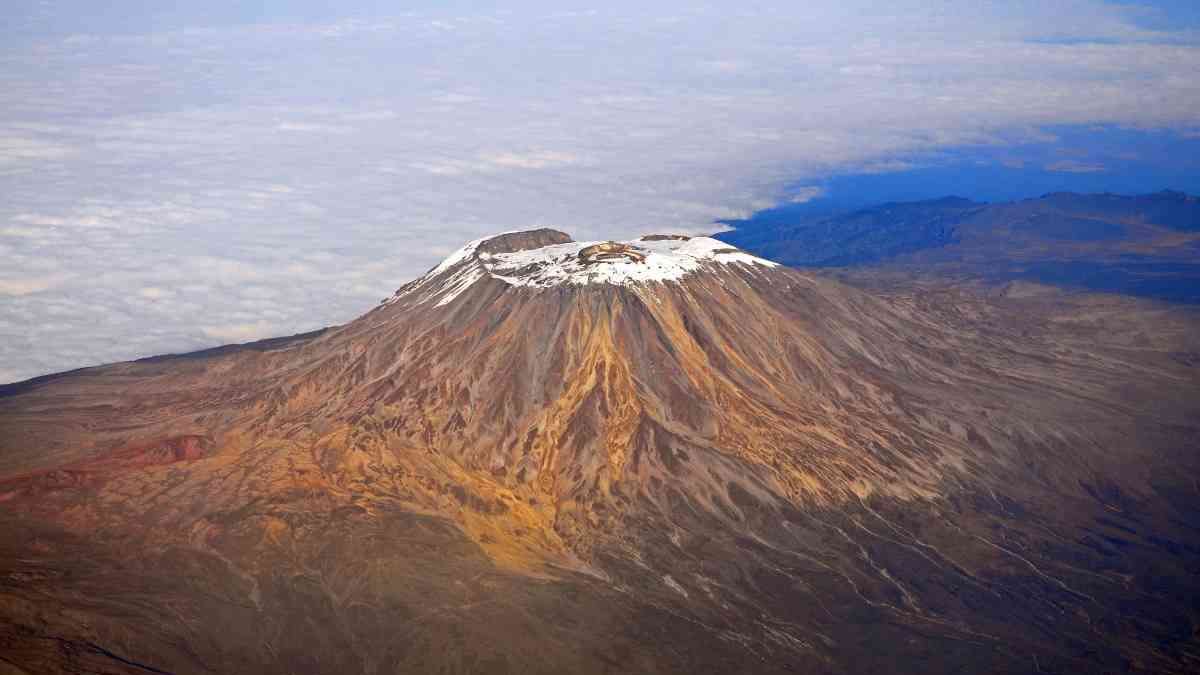
Mount Kilimanjaro is a stratovolcano with three volcanic cones: Shira, Mawenzi, and Kibo, which is where you will find the Uhuru summit.
Ascending from Tanzania’s plains to 5,895 meters, climbing Kilimanjaro means passing through five unique ecological zones with distinct climates and animals.
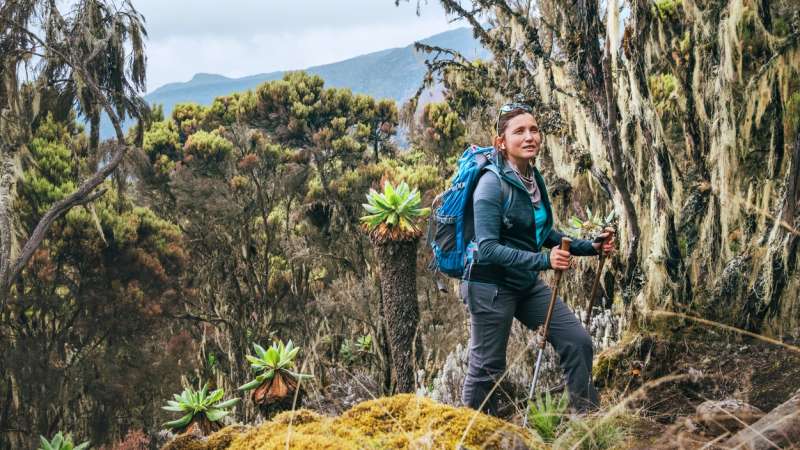
The journey starts in the cultivated land of the Chagga people. The first change is into lush rainforests, replete with orchids, monkeys, and moss-draped trees. As trekkers move higher, the rainforests give way to moorlands where wildflowers and shrubs like heather thrive, while towering Senecios and Giant Lobelias, endemic to this elevation, dot the landscape.
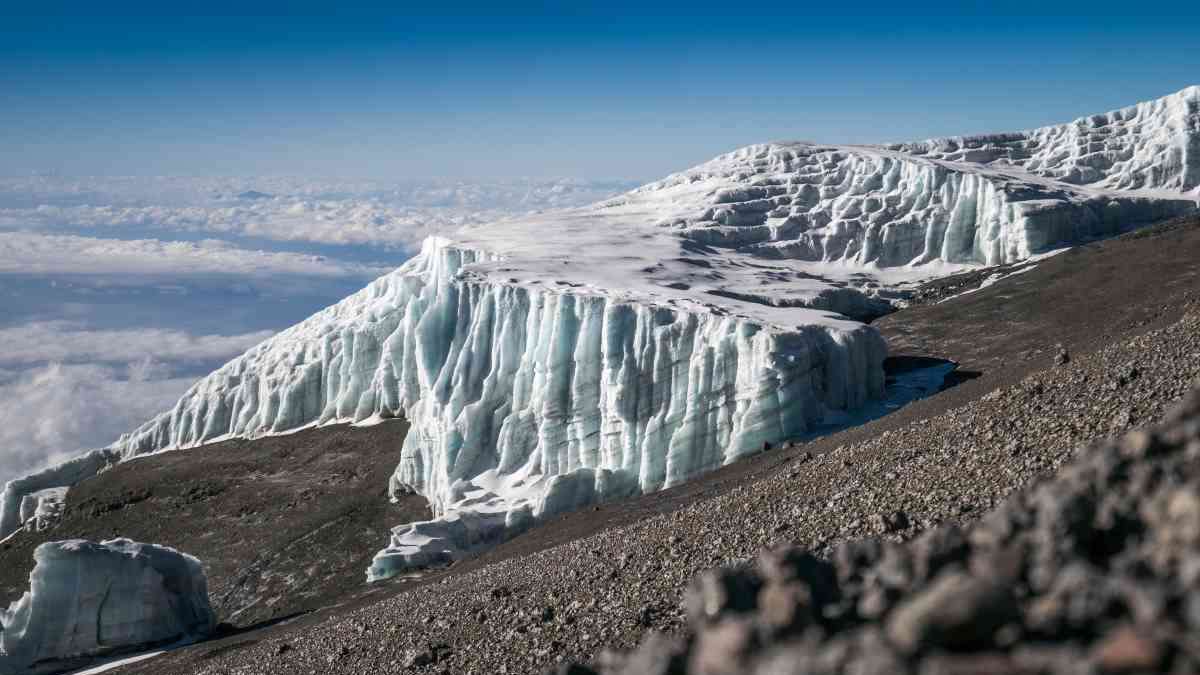
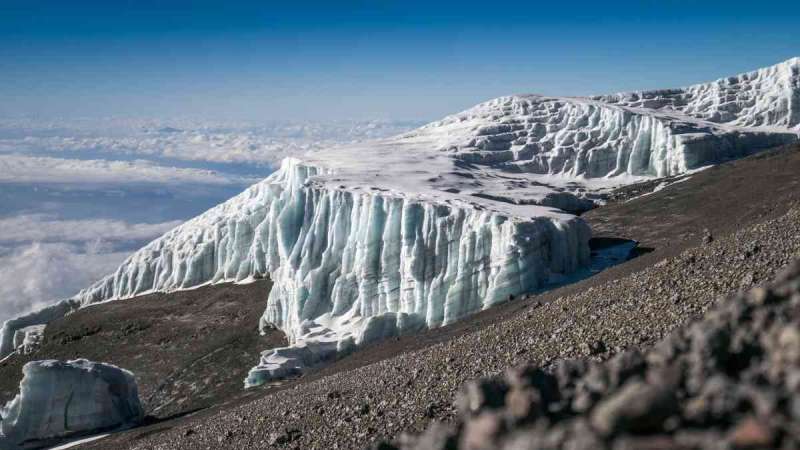
The higher one climbs, the cooler and drier it becomes. The alpine desert zone is an arid, rocky landscape with sparse vegetation. Daytime temperatures are hot while nights freeze, and only hardy plants like everlastings, tussock grasses, and mosses survive. Finally, when hikers move above 5000m, they enter the Arctic Zone. The Arctic zone is a harsh landscape of ice and rock with minimal precipitation, ice, wind, and thinning air.
These microclimates, experienced through ascent, mimic the journey from the equator to the poles. Climbing Kilimanjaro is not just about standing on the highest freestanding mountain in the world, but experiencing a world on one mountain.
Mount kilimanjaro glaciers
Convenient Travel Logistics & Easily Combined with Other Destinations
Despite its remote setting, Mount Kilimanjaro is surprisingly accessible.
Kilimanjaro lies on Tanzania’s popular Northern Safari Circuit that includes the Serengeti, Ngorongoro Crater, and Tarangire. Combining a classical African safari with your Kili expedition is easy with reliable ground transport and excellent infrastructure.
Kilimanjaro International Airport (JRO) connects easily with Zanzibar for a beach break or Nairobi, the largest travel hub in East Africa. From Nairobi, tours depart throughout Kenya to reserves like Amboseli, the Masai Mara, and Samburu to name a few.
For a unique East African experience, consider travelling farther afield to Uganda and Rwanda, where gorilla trekking – a stroll after climbing Kilimanjaro – is an exciting prospect.
No matter where you want to travel in East Africa, from beaches and Big 5 safaris to gorilla trekking and mountaineering, Kilimanjaro pairs easily with other East African destinations.
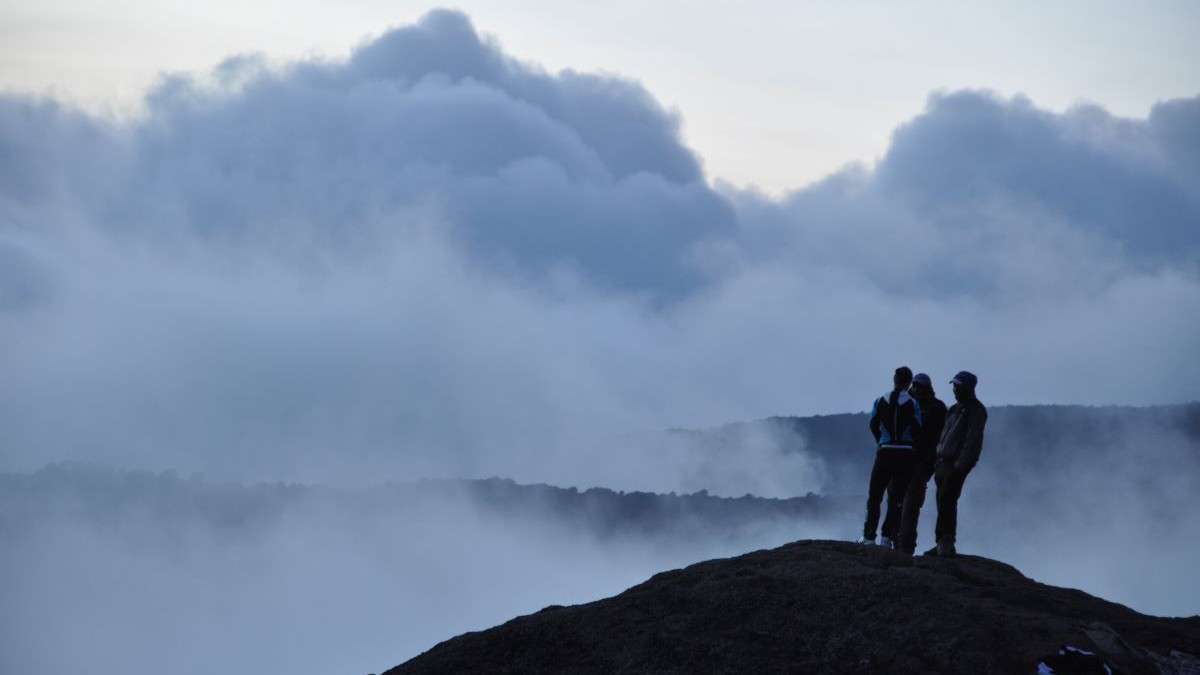
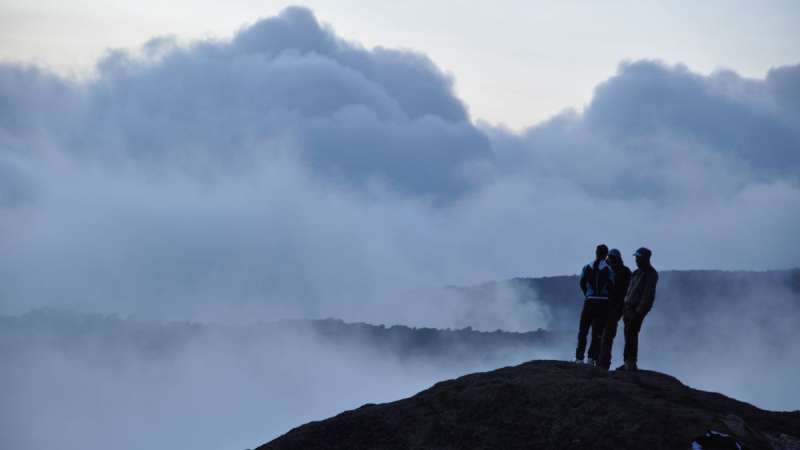
Hiking mount kilimanjaro
Need Help Planning Your Kilimanjaro Expedition?
Planning to climb the tallest mountain in Africa can feel overwhelming. African Budget Safaris, with an experienced team of travel consultants, makes dealing with logistics easy. Let us help you choose the best route, pace, and itinerary to suit your fitness and goals. From group climbs to private guided treks, we offer expert advice, ethical operators, and full support every step of the way. Kilimanjaro is one of the most accessible high-altitude climbs in the world, offering great value for budget-conscious adventurers seeking a once-in-a-lifetime challenge. With easy flight connections and the option to combine your climb with longer safari or beach itineraries, your perfect adventure starts here. Contact African Budget Safaris today and start your journey to the top of Africa.
The best time to climb Kilimanjaro is during the dry seasons from January to March and June to October, when weather conditions are most favourable.
January & February on Kilimanjaro
These are some of the warmest and driest months on Kilimanjaro.
Excellent trekking conditions and fewer crowds compared to the peak safari season make this an excellent time to climb Kilimanjaro.
In January, it often snows on the summit, which adds to the mountain's beauty. Mornings are usually clear, with great views, while afternoons may bring brief showers.
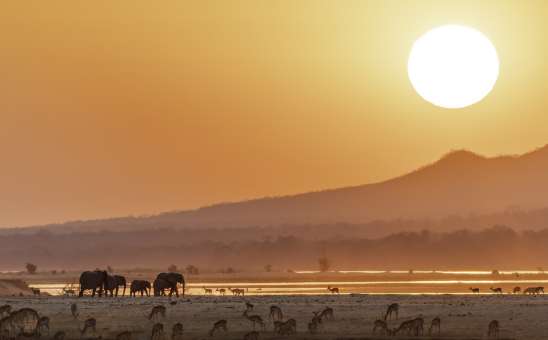
This period also coincides with the Serengeti’s calving season, making it a great time to combine your trek with a safari.
Kilimanjaro from March to June
March is a transition month into the long rainy season. The rains typically last through May, making trails slippery, obscuring summit views, and making climbing conditions less than ideal.
However, fewer climbers mean quieter trails and a more peaceful experience. June sees the return of drier weather, though temperatures remain cool. This is a good shoulder-season option for those wanting fewer crowds.
July to September on Kilimanjaro
This is peak climbing season.
Days are generally dry and clear, making for ideal trekking conditions. Being the winter months and peak safari season, temperatures, especially at higher elevations, can be cold.
The trails are busier during this time, particularly on the most popular Machame and Marangu routes.
It is essential to book well in advance to avoid disappointment.
This period is perfect for those seeking reliable weather and crisp, panoramic views from the summit.
Kilimanjaro in October to December
October is another transitional month, ushering in a quieter climbing period. Generally, dry, early rains are not uncommon.
November brings the short rains. Conditions, while not ideal, still attract climbers who prefer climbing with fewer crowds, which creates a more intimate experience, and can tolerate the variable conditions.
As December advances, wet weather increases. Surprisingly, despite the rain, Christmas and New Year climbs are popular, so trails can become busy again.
African Budget Safaris offers expertly guided Kilimanjaro hikes along the Marangu, Machame, and Lemosho Routes. The Marangu Route features hut accommodation and a shorter 6-day climb, ideal for budget-conscious trekkers. The Machame Route is more scenic and challenging, with a higher summit success rate and full camping support. The Lemosho Route is quieter and longer, offering excellent acclimatisation and stunning views. These are our most popular Kilimanjaro experiences.