
__large.jpg)
__large.jpg)


- More destinations related to Namib Desert:
- Namibia
- Etosha National Park
- Sossusvlei
- Windhoek
- Caprivi
- Damaraland & Kunene
- Fish River Canyon
- Namib-Naukluft National Park
- Skeleton Coast
- Swakopmund
- Waterberg Plateau National Park

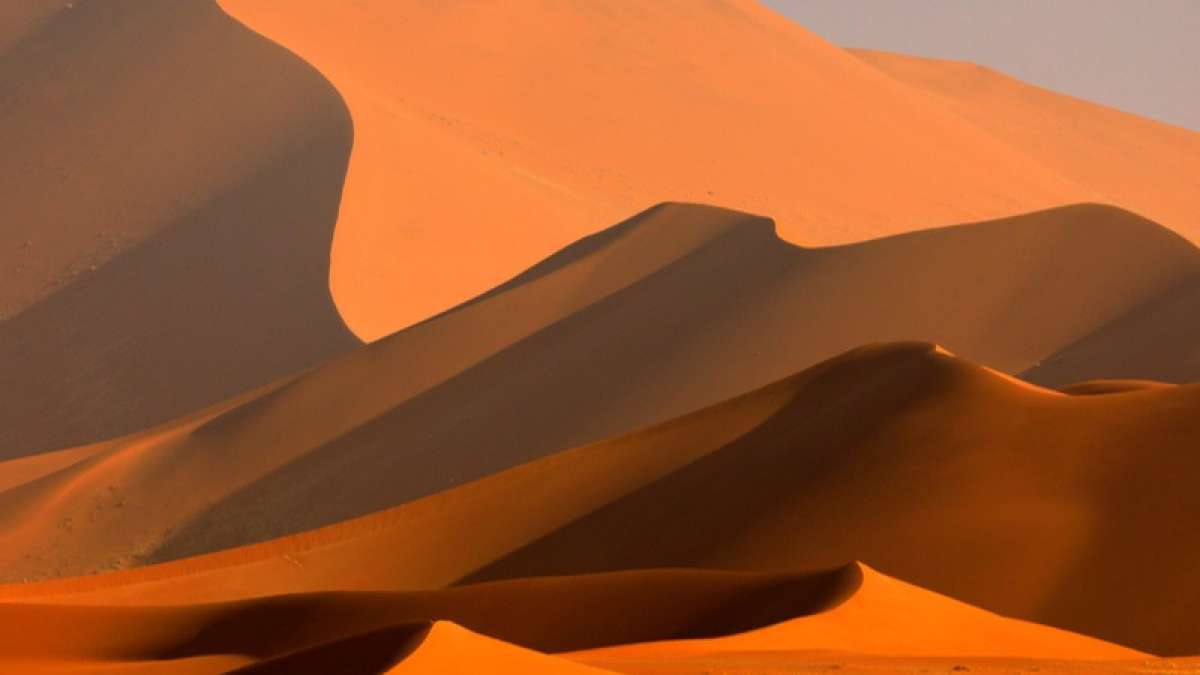
The Namib Desert, one of the world’s oldest and driest, stretches north to south for over 2,000 km along Namibia’s Atlantic coast.
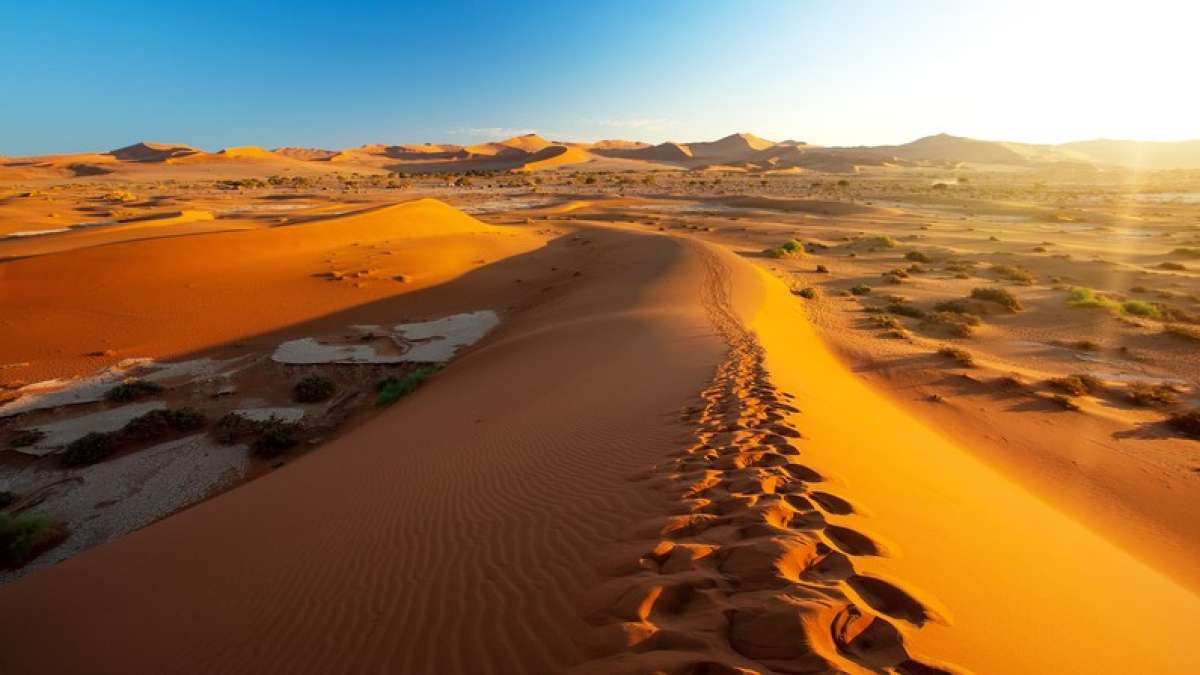
This immense landscape offers surreal, ever-shifting sands of towering red dunes, gravel plains, and rocky outcrops.
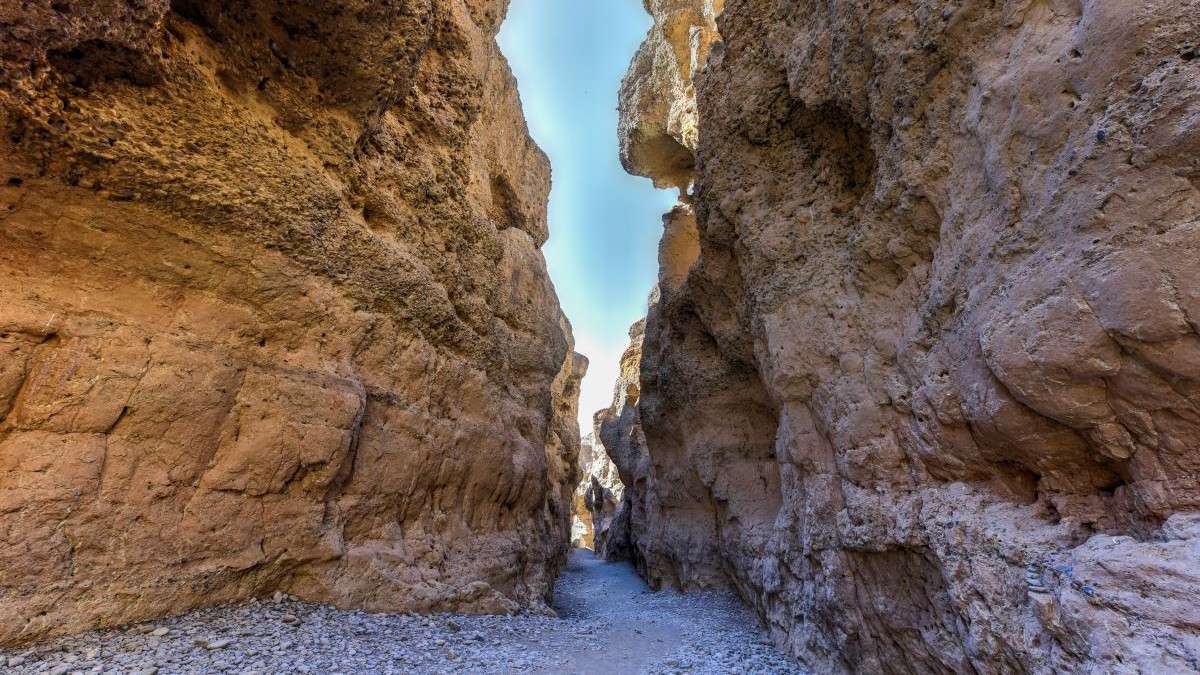
The stark beauty of the Namib draws travellers and photographers from around the world. They come to experience Sossusvlei and Deadvlei, the Namib-Naukluft National Park, the Skeleton Coast, Damaraland, and the Fish River Canyon to name just a few.
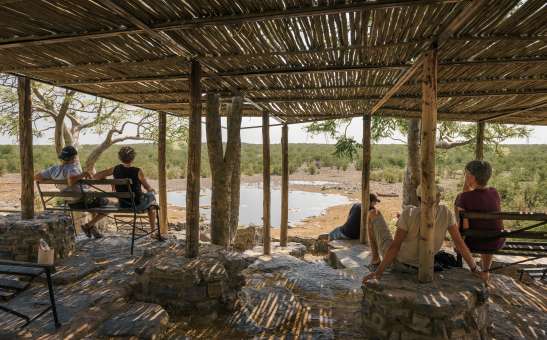
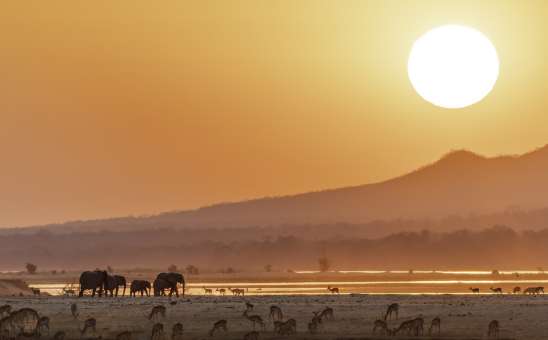
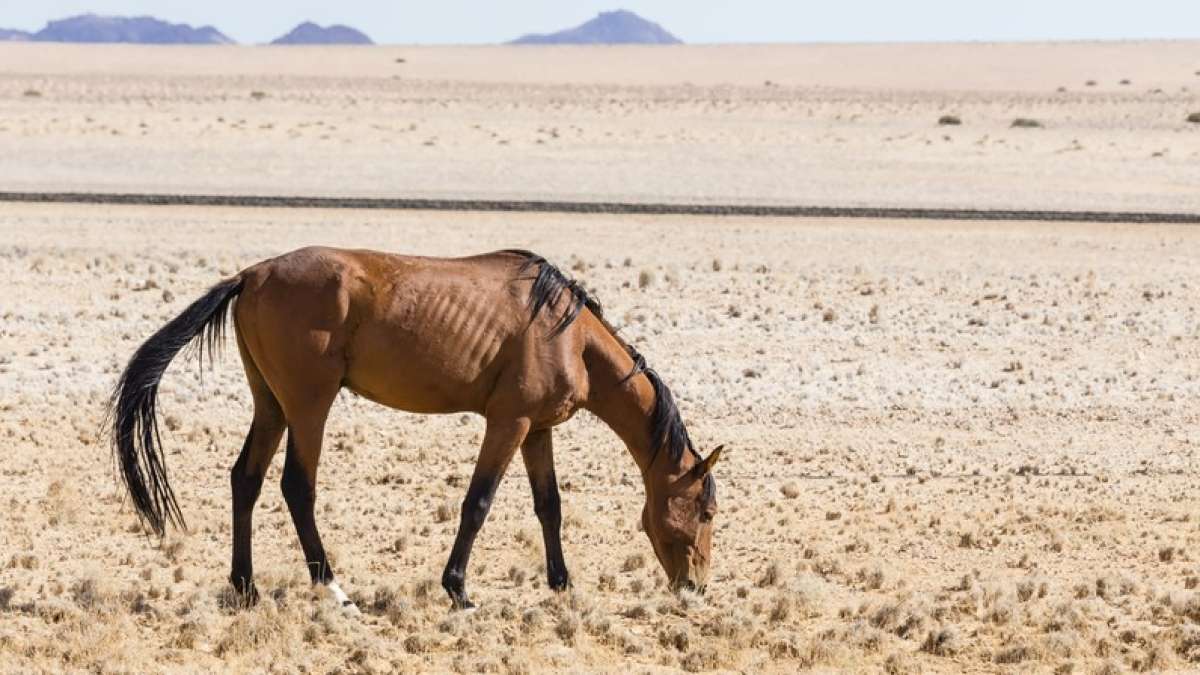
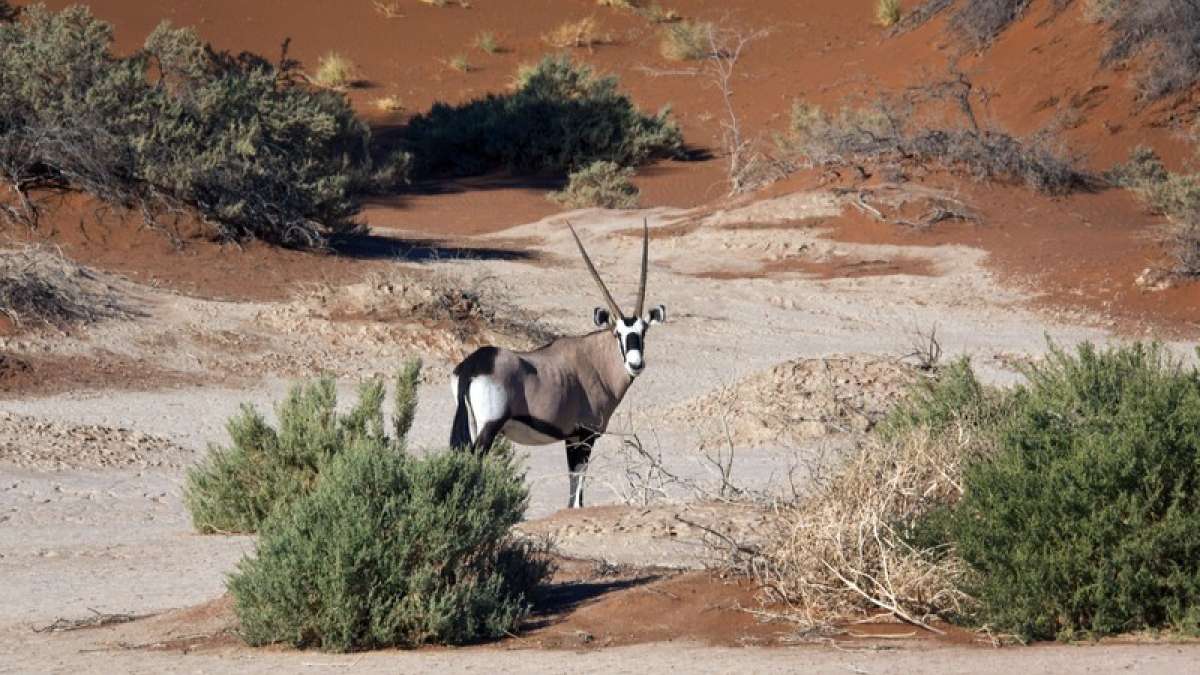
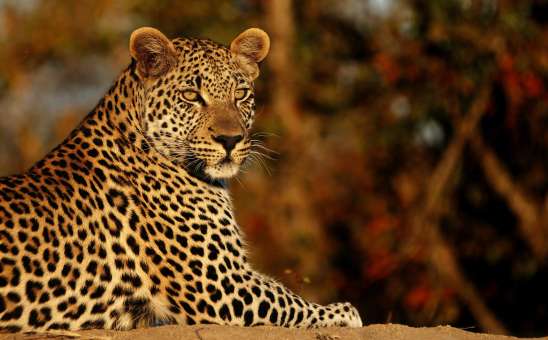
Despite the arid climate, the Namib Desert is home to desert-adapted wildlife such as oryx, springbok, elephants, lions, and a host of smaller, exceptional creatures.
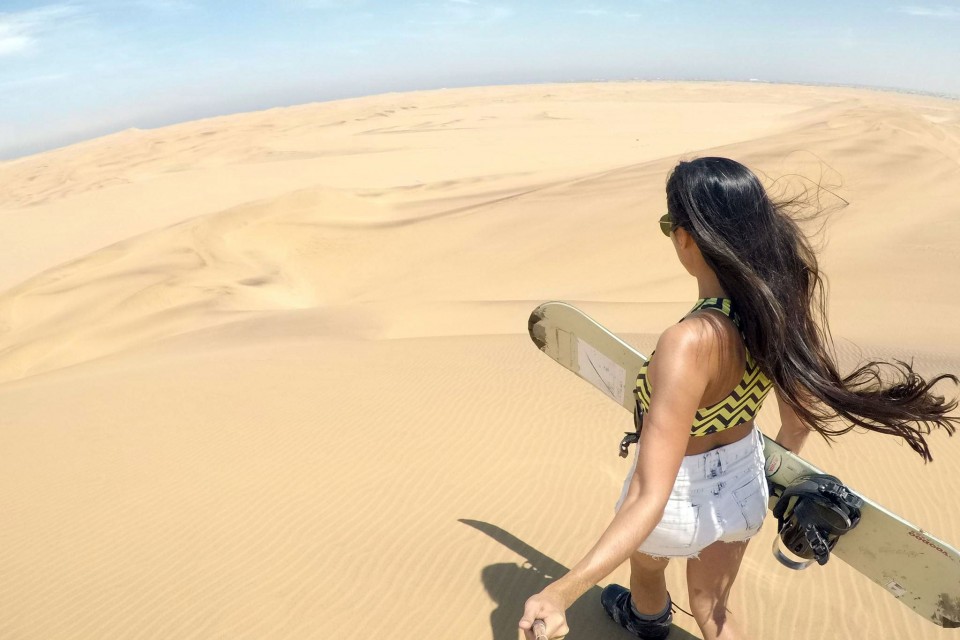
For travellers seeking some extra excitement, Swakopmund is an adventure playground. Activities range from scenic flights above the dunes to dune climbing, sand surfing, and quad biking.
With its haunting silence, vast skies, and remarkable biodiversity, the Namib Desert promises a unique blend of raw adventure, solitude, and natural wonder, a truly extraordinary destination.
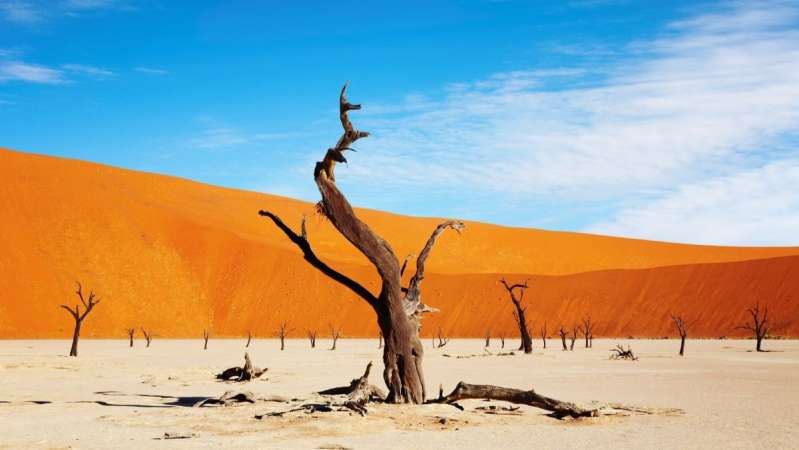
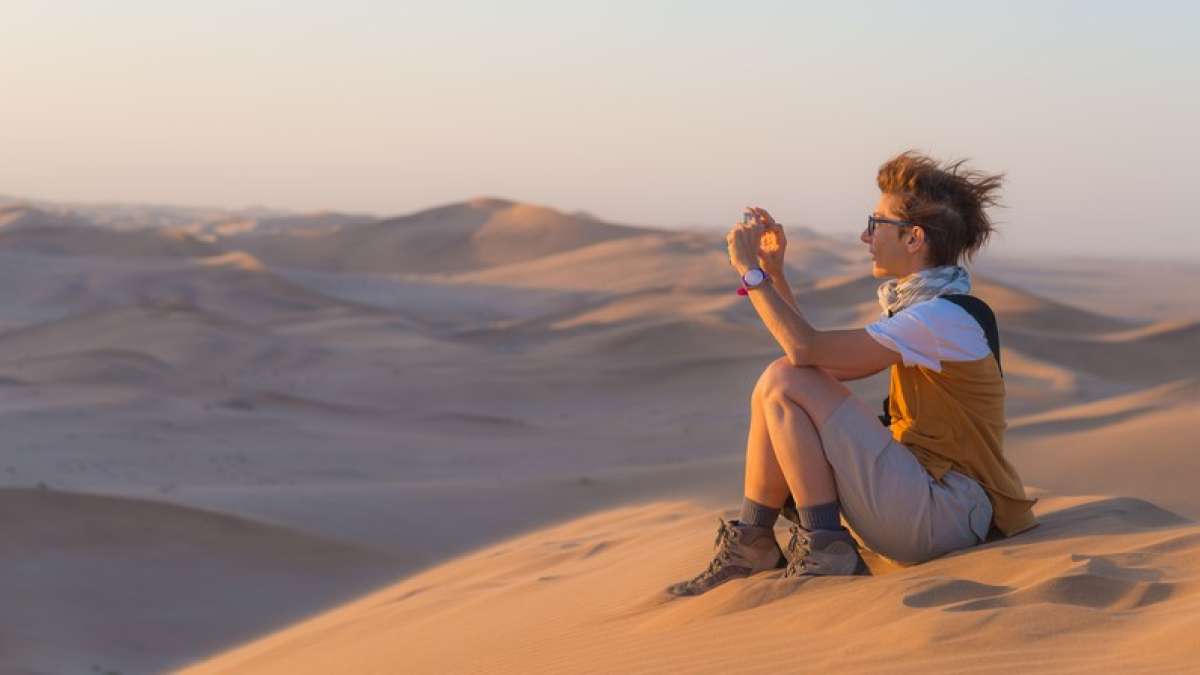
The Namib Desert offers some of the most visually striking landscapes on Earth. Wherever you travel, the vast landscapes are surreal, with vivid and contrasting colours making it a paradise for photographers.
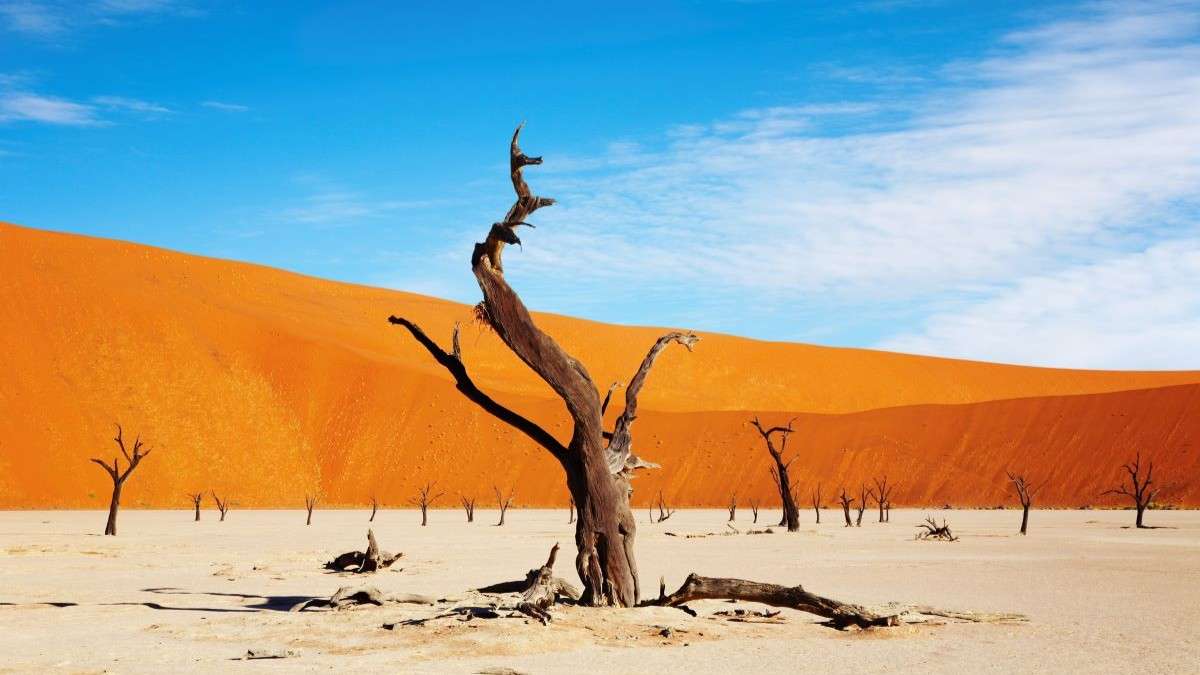
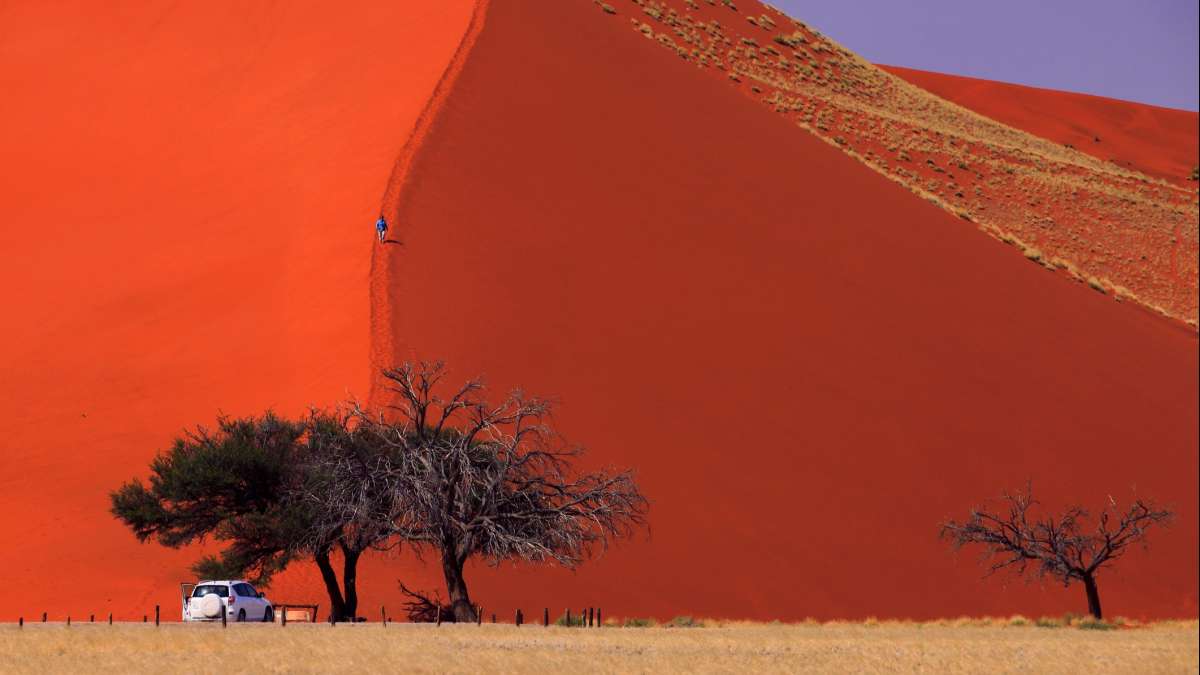
At Sossusvlei, the towering red-orange dunes climb to over 300 meters. In addition to the dramatic scale, the oxidising sand glows especially bright at sunrise. Dune 45, popular for sunrise hikes, is one of the most photographed dunes in the world and is easily accessible. Nearby, Deadvlei’s cracked white clay pan and eerie, black, fossilised trees stand in stark contrast to the orange dunes.
The Skeleton Coast adds a haunting beauty with shipwrecks and wind-swept shores, while further south, a visit to the Kolmanskop ghost town is a visual feast.
The Namib Desert is a vast arena of vivid contrasts. The bright orange shifting sands, bleached and unforgiving bone-dry pans, and infinite blue skies create a surreal spectacle like no other on earth.
Read more about Namibia's Highlights on our blog.
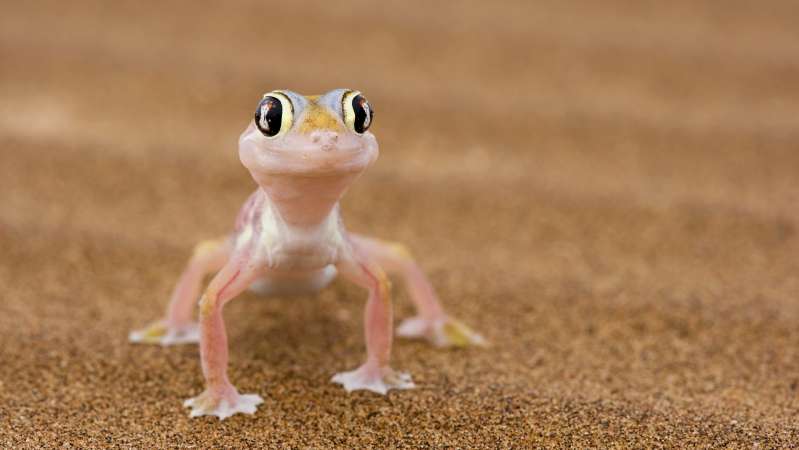
The Namib Desert supports a surprising wealth of life, despite its inhospitable façade.
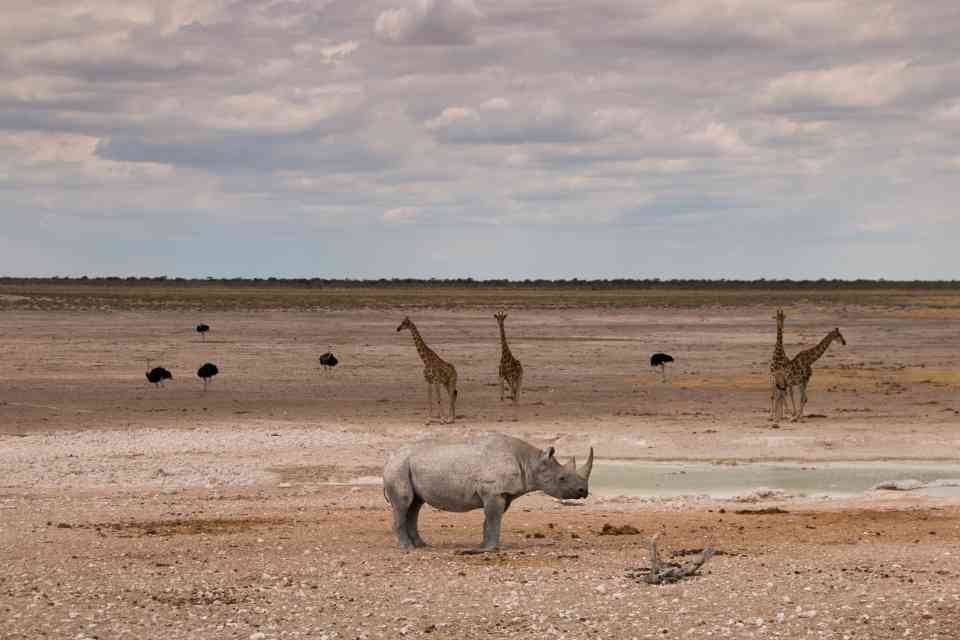
Amongst these unique animals are the loping desert-adapted elephants, lions, and the elusive black rhinos of the remote Kaokoveld. These large mammals traverse huge distances in search of food and water, and are infamous for their shy natures.
Desert-adapted antelopes thrive in the Namib. The striking oryx or gemsbok with its elegantly curved horns, as well as kudu, springbok, eland, and the diminutive Damara dik-dik, are all commonly seen.
The cold Atlantic currents that buffet the coastline are abundant with sea life. Cape fur seals gather in their thousands while dolphins and whales patrol the nutrient-rich waters. Coastal birds attend the feast too, and pelicans, African penguins, fish eagles, cormorants, and terns are all present.
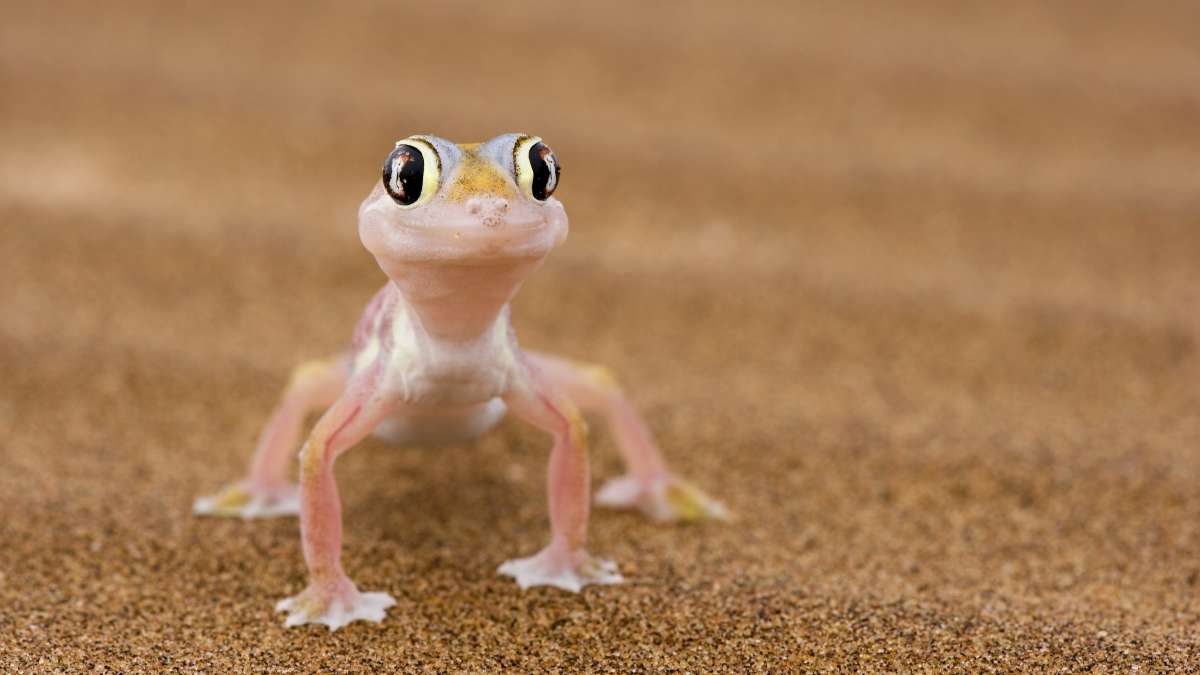
The coastal dunes of the Namib Desert are home to some remarkable specialists. Sand geckos with their bulging eyes and translucent skin forage at night, the Péringuey’s adder buries itself in seconds with only its eyes keeping watch, and the mist beetle cleverly collects water from coastal fog.
Other Namib Desert highlights include the ancient Welwitschia plant, some over 2000 years old, that survives stoically on dew and fog, and Namibia’s endemic bird, the dune lark, that survives exclusively in the dry river beds and the wind between the towering dunes.
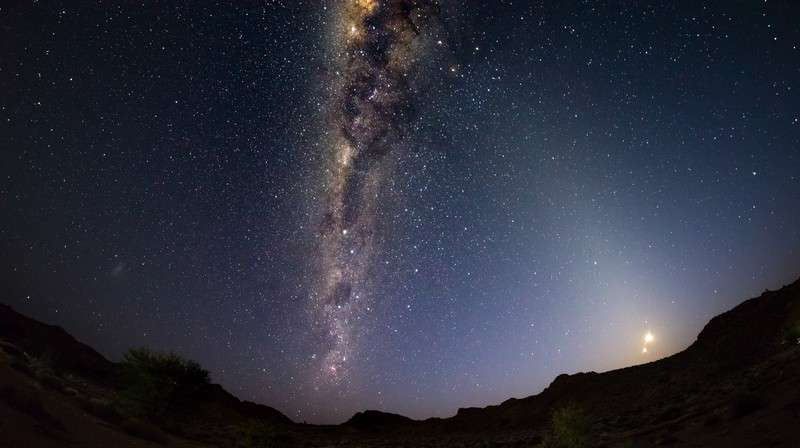
The Namib Desert is a land of raw beauty and deep stillness.
The journey is the destination, and travel by road through these dramatic landscapes is about the freedom of the open road and self-discovery.
The vast landscapes of the Namib Desert are sparsely populated, promoting a crowd-free experience and a powerful sense of solitude.
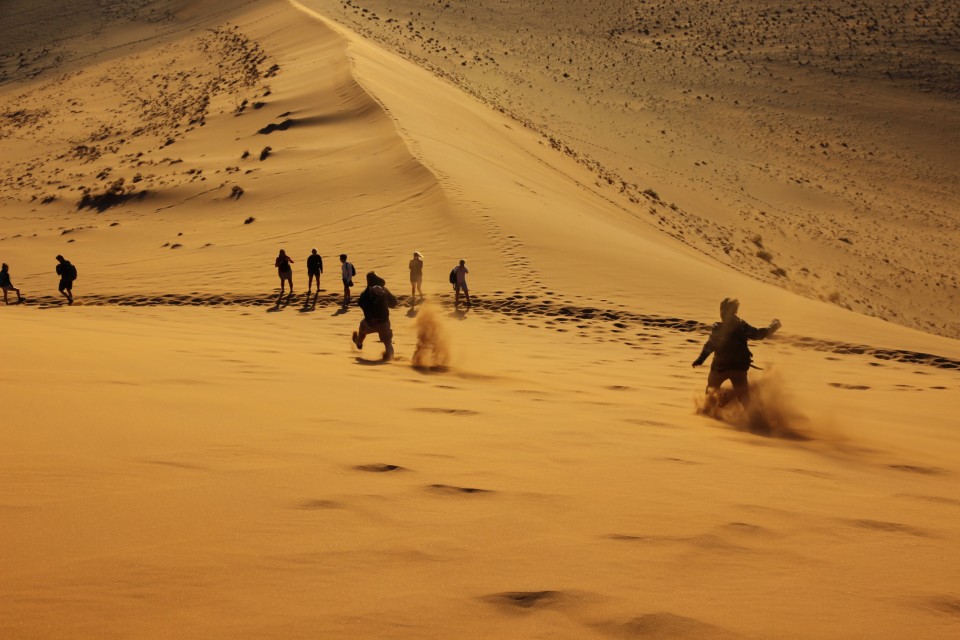
There are adventure hotspots along the way that provide exhilarating activities. Climb some of the biggest dunes in the world for sunrise, get an aerial perspective with a scenic flight or skydive over the Skeleton Coast, or a hot air balloon ride over the sand sea. Other adventure activities include dune boarding, 4x4 trails, and quad biking.
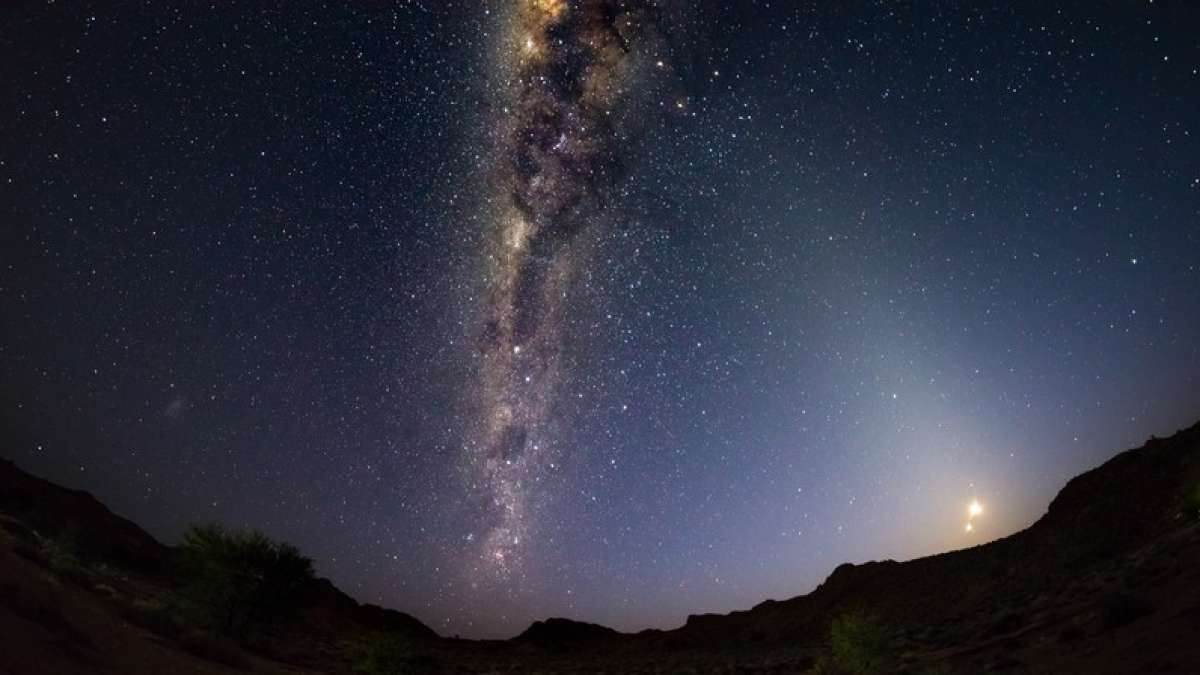
As night falls, the Namib Desert becomes a star-gazing heaven. With minimal light pollution, it offers some of the clearest night skies anywhere on the planet. The Namib is also home to one of the only Dark Sky Reserves in the world, perfect for astronomy lovers and dreamers alike.
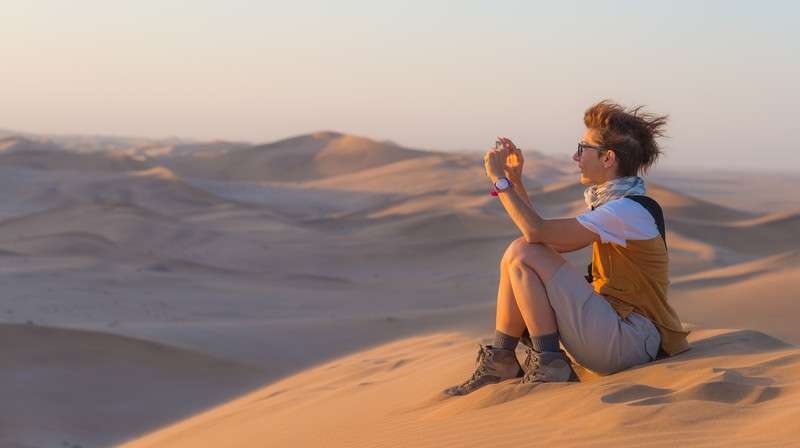
The logistics of traversing Namibia and the Namib Desert can be daunting.
African Budget Safaris has a team of expert travel consultants, based in Cape Town, who can help you plan your Namib Desert adventure. Whether you’re after a short escape, a scenic self-drive, or a multi-destination adventure, we’ll help you experience the Namib Desert’s vast beauty and unforgettable landscapes.
Talk to us today for expert advice and tailor-made itineraries to suit your style and budget.
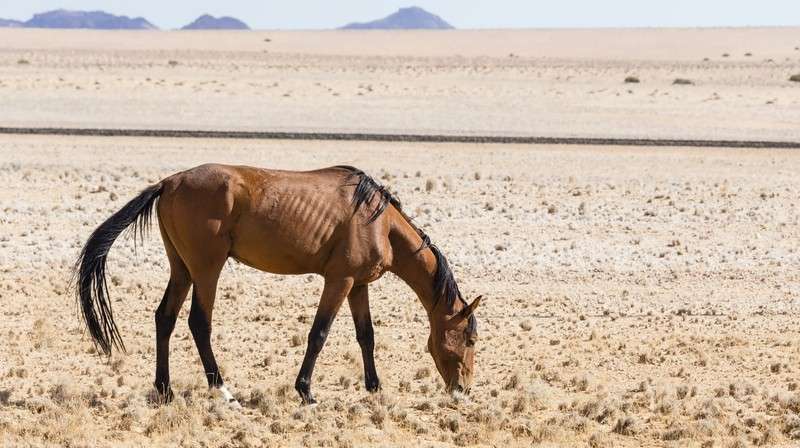
The best time to visit the Namib Desert is from May to October, during the dry winter months.
The cooler winter temperatures make exploring the desert landscapes more comfortable during the day, though winter nights can be extremely cold.
The rainy season from November to April can be extremely hot, but the desert landscapes transform into an oasis is a special experience.
January to April is Namibia’s summer and rainy season.
The days are hot, but rain can transform the desert landscape.
February is the hottest and wettest month. Conditions are humid, but calving season makes safaris to Etosha rewarding.
As March advances, the rains decrease, and by April, they are sporadic, but the landscapes retain a dusting of greenery and is a delight for photography.
May is the start of the winter season and the beginning of the peak Namibia safari season.
Conditions are dry and mild, characterised by clear blue skies and gorgeous landscapes. This is one of the best times to visit Namibia.
In June, nighttime temperatures plummet in the Namib Desert, making for excellent stargazing and cosy stays, while days are pleasant and bright.
Early June remains relatively quiet, but visitor numbers rise steadily as July approaches.
July to October is peak season in Namibia as visitors head to Etosha on safari.
While July is the driest month, August is the height of winter. Expect bright sun-filled days and cold nights, perfect for exploring Namibia's deserts and stargazing. Both July and August are popular months for travelling around Namibia, and advanced booking is highly recommended.
From September, temperatures begin to gradually rise, and as the months progress, scattered showers are expected.
In August, spring flowers bloom in the Ai-Ais Richtersveld region, and in October, whale-watching is popular along the Walvis Bay coast.
November is the start of the rainy season in Namibia.
As temperatures rise, the weather becomes unpredictable and dramatic. Sporadic thundershowers cool the air, and along the coast near Swakopmund, flamingoes gather in their thousands, putting on an impressive display, and migratory birds arrive with the rains.
The rain throughout Namibia results in a fine green dusting across the arid desert landscape. The festive season brings holidaymakers from around southern Africa, making December a busy but rewarding time of year.
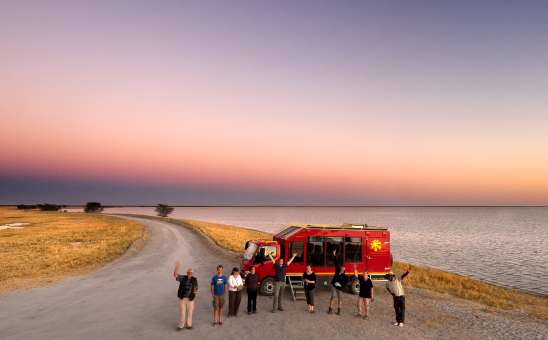
The Namib Desert is an unusual and rewarding African travel destination. African Budget Safaris has a carefully curated collection of safari packages to Namibia. Tours include short itineraries that take in the main attractions or longer adventures that allow visitors to soak in the atmosphere while exploring the desert. These are African Budget Safaris' most popular packages to the Namib Desert.




Call us toll free from US/Canada on 1-888-414-6513, or from the UK on 0-808-189-1052. All other countries can contact us on +27 21 791 0878.
© 2026 African Budget Safaris | Privacy | Terms | Cookie Policy | Consent Preferences
__landscape.jpg)