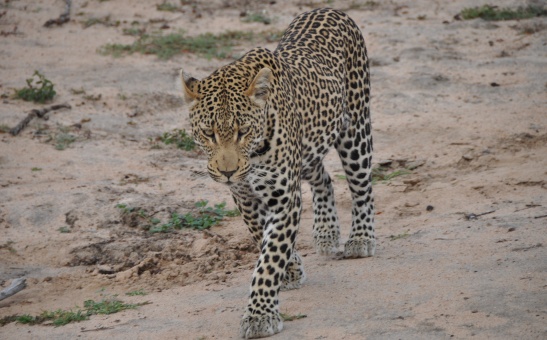
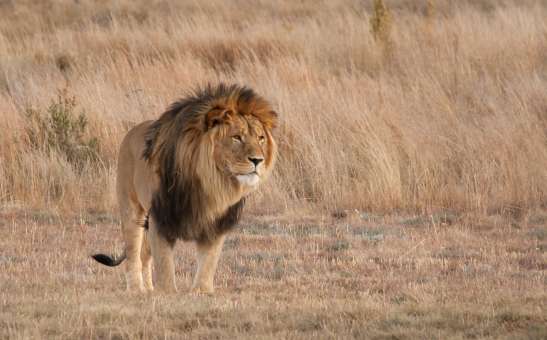
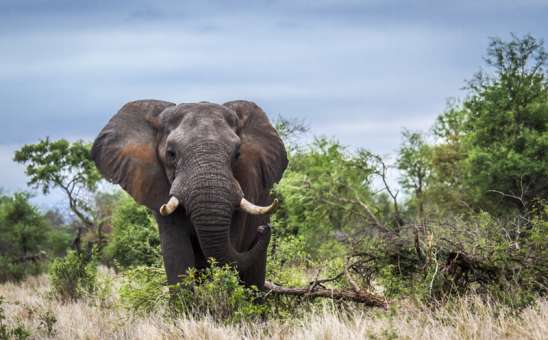
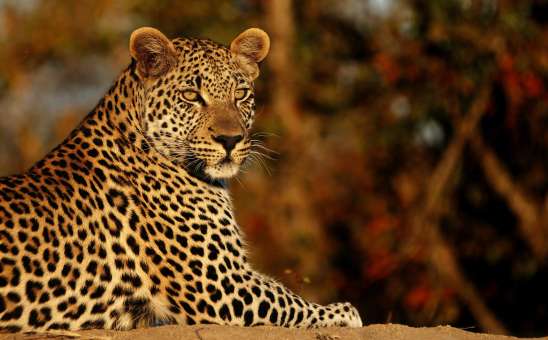
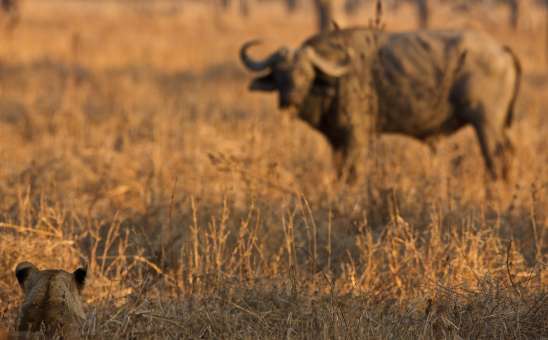
Sabi Sands is one of the best places in Africa to see the Big 5: lion, elephant, rhino, buffalo, and especially leopard.
Sabi Sands is one of the best Big 5 safari destinations in Africa. Sightings of leopards are near-guaranteed, while expert-led game drives set the standard for luxury wildlife experiences.
Compared to Kruger National Park, Sabi Sands delivers a more exclusive and intimate safari. Off-road access, night drives, and fewer tourists make Sabi Sands an outstanding safari destination.
Sabi Sands is a conservation icon with a rich history. Home to pioneering wildlife research and sustainable tourism practices, the animals are some of the most habituated to safari vehicles that you will ever see.
Situated adjacent to the Kruger National Park, Sabi Sands pairs easily with other top safari destinations like Victoria Falls, Kruger, Cape Town, and the Garden Route.
If you have limited time and want to tick off the Big 5, Sabi Sands is the reserve for you with its unmatched wildlife, guiding, and lodge experiences.
Sabi Sands is South Africa’s ultimate private safari destination.
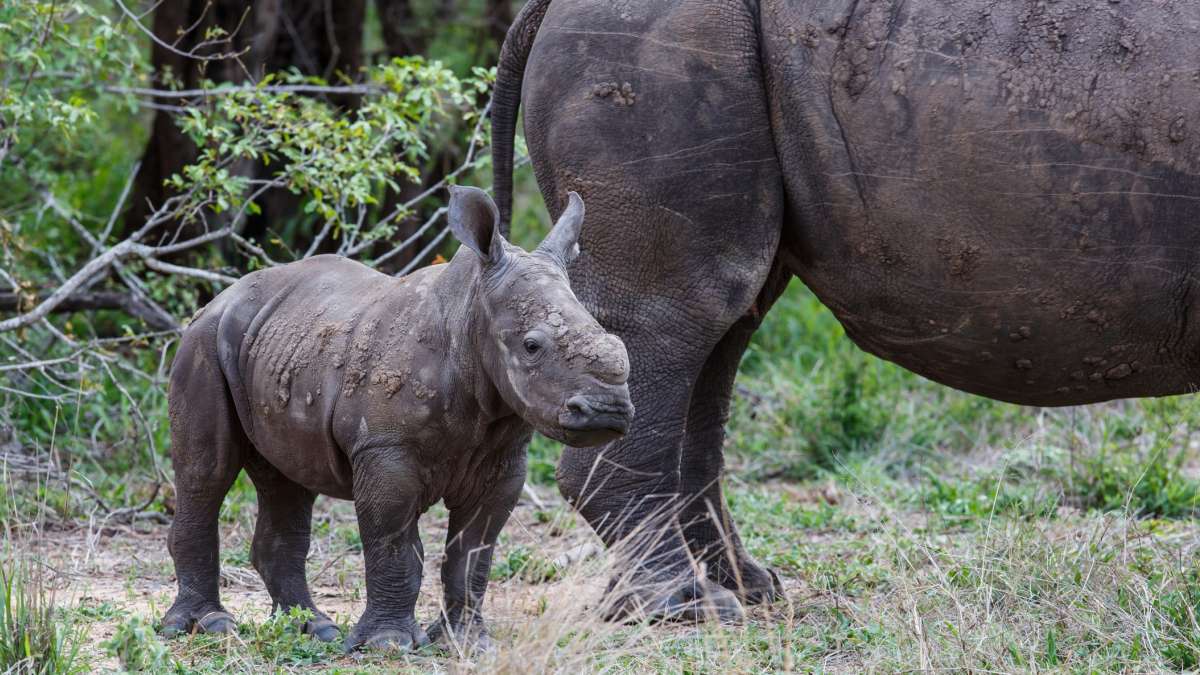
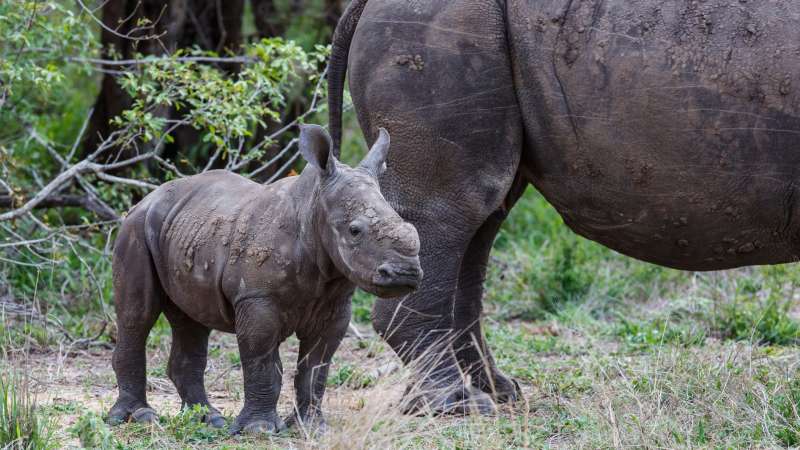
Rhino baby in sabi sands
The Best Big 5 Sightings
Sabi Sands is one of the best places in Africa to see the Big 5.
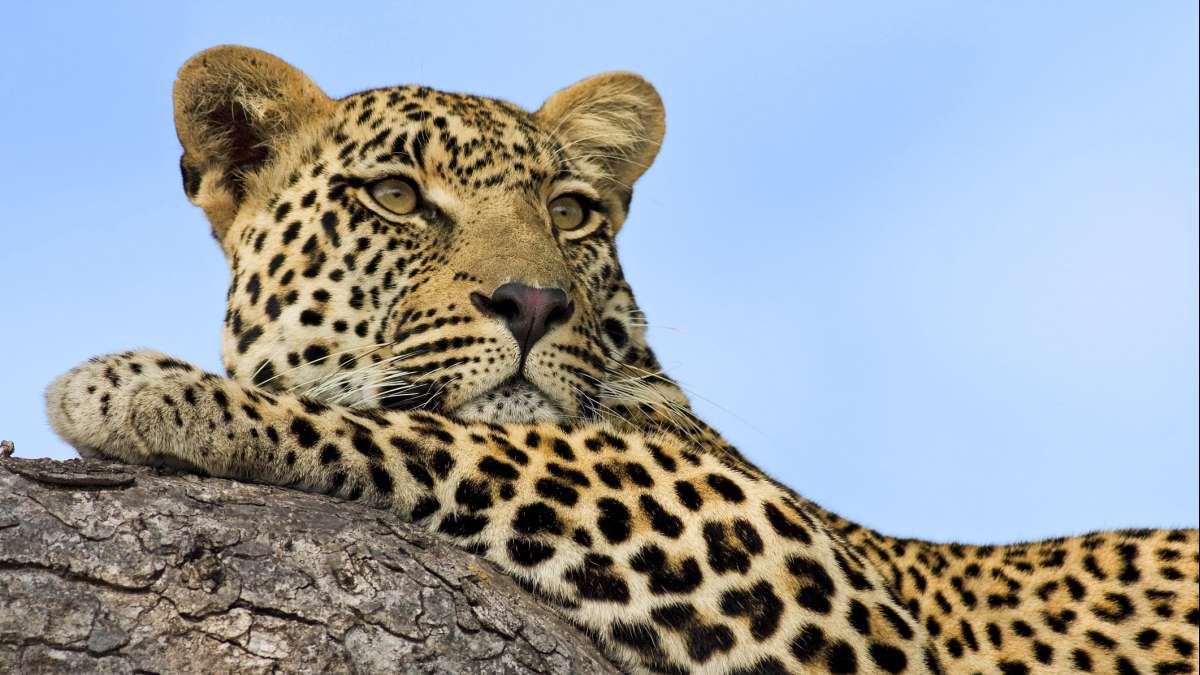
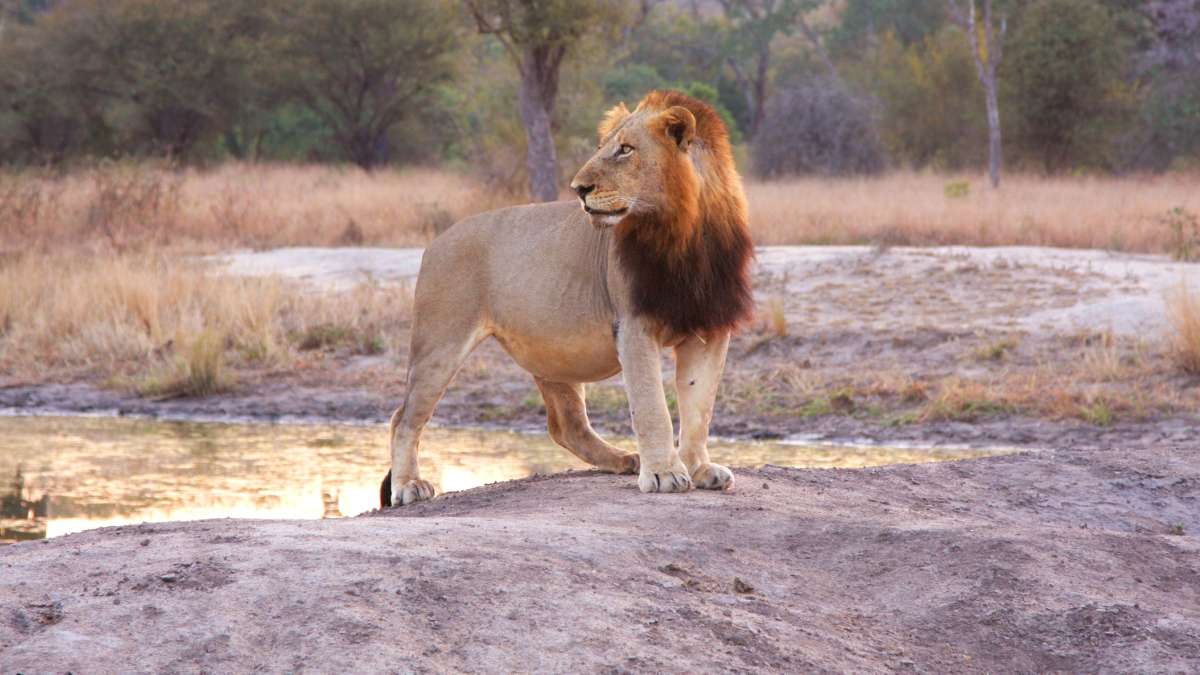
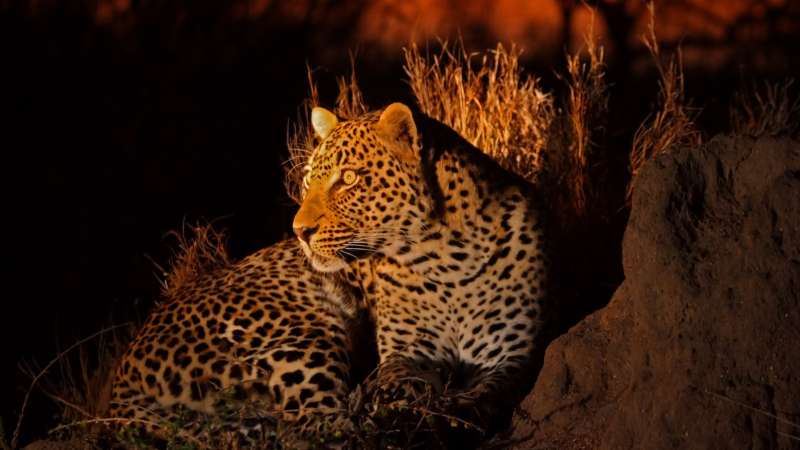
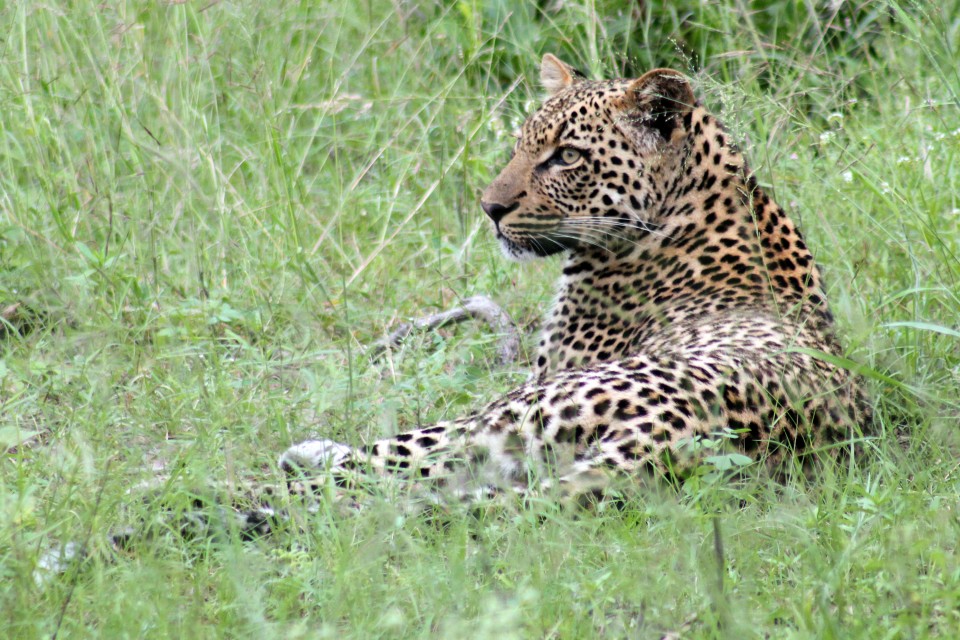
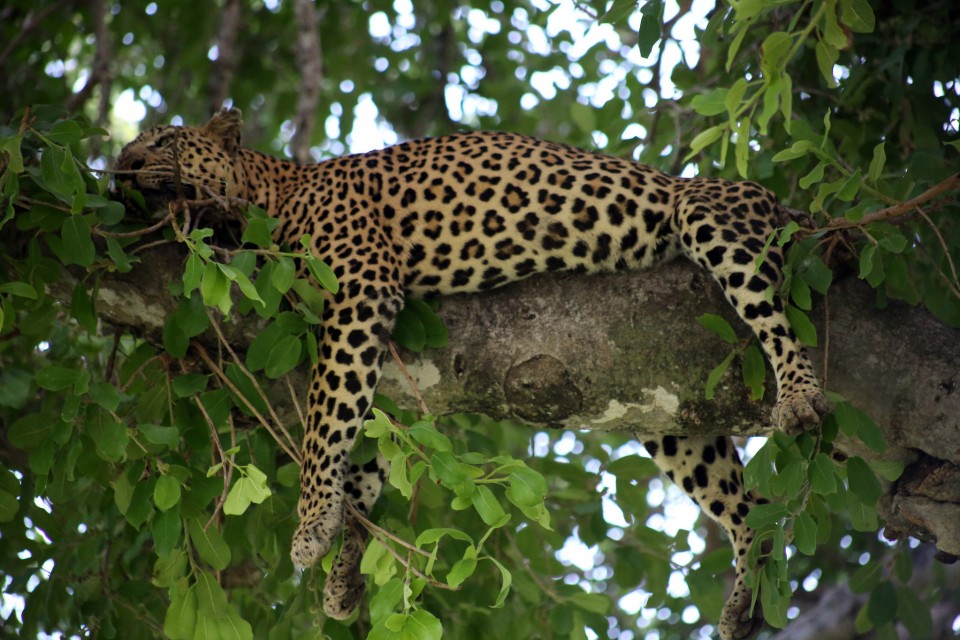
Sightings of these iconic and sought-after animals are almost guaranteed. Lion, leopard, elephant, rhino, and buffalo can all be seen on a typical three-day safari, making Sabi Sands an excellent choice for those with limited time. The reserve is particularly renowned for its relaxed leopards. Well protected for decades, it is possible to experience close, extended encounters with this normally elusive cat, rarely seen elsewhere.
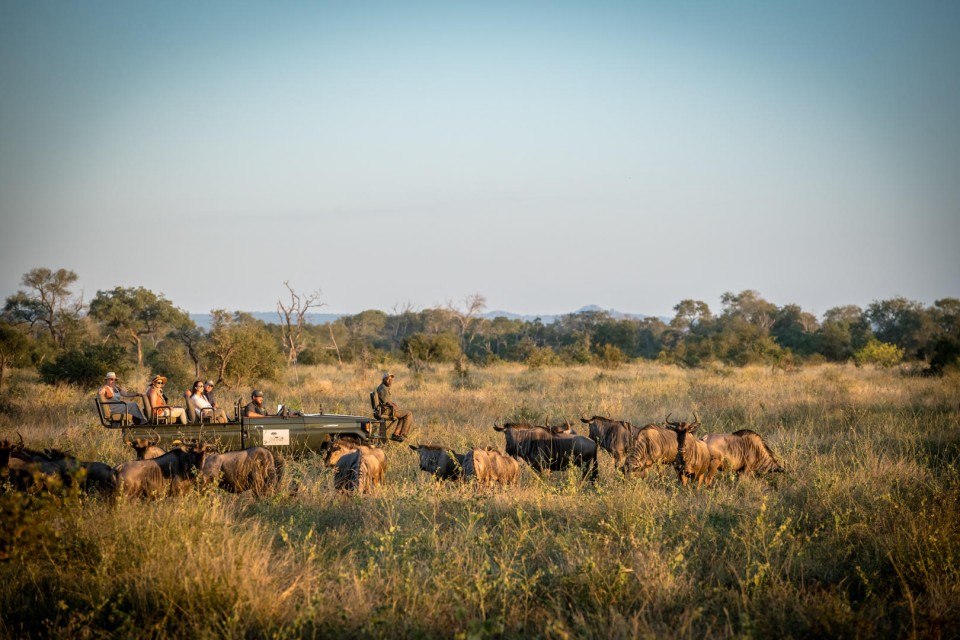
Expert rangers and Shangaan trackers bring experience, local knowledge, and conservation insight. Every game drive is a rich adventure full of unbelievable wildlife moments. Limited tourist numbers and a no self-drive policy, sightings in Sabi Sands are exclusive.
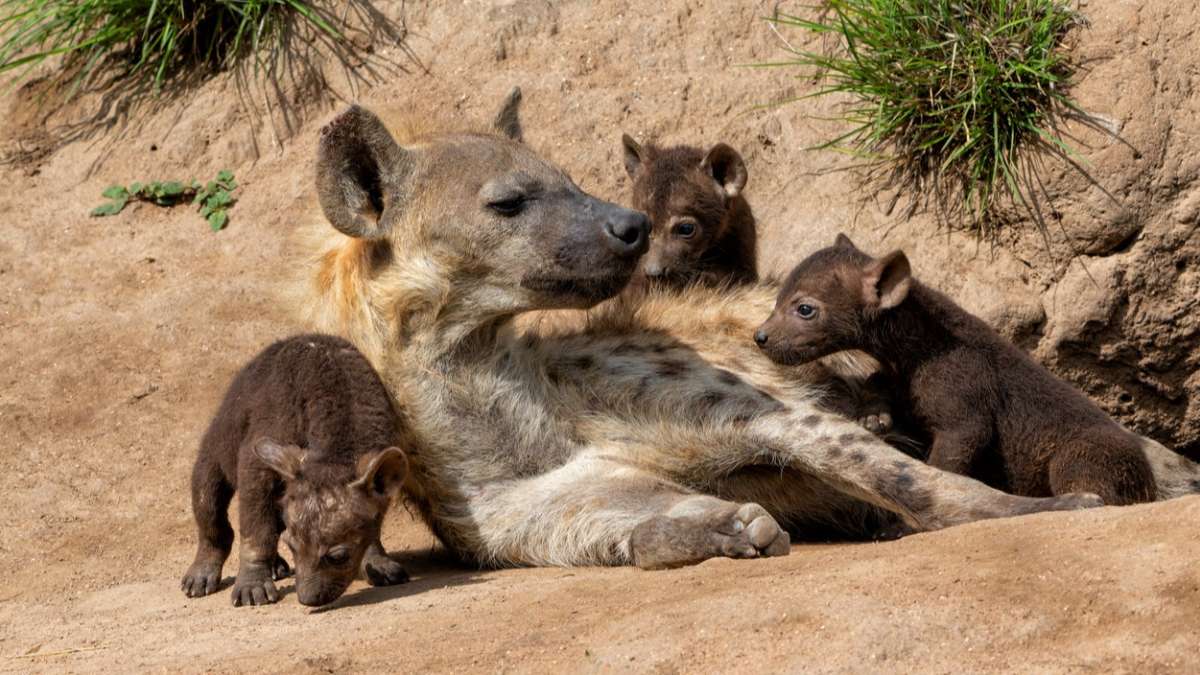
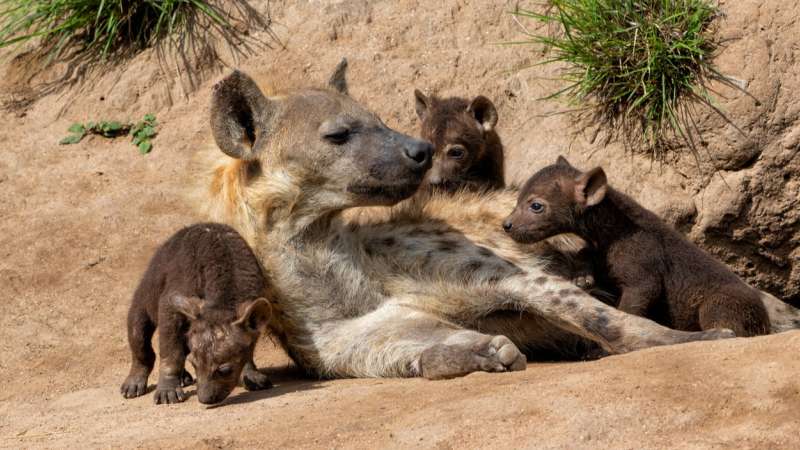
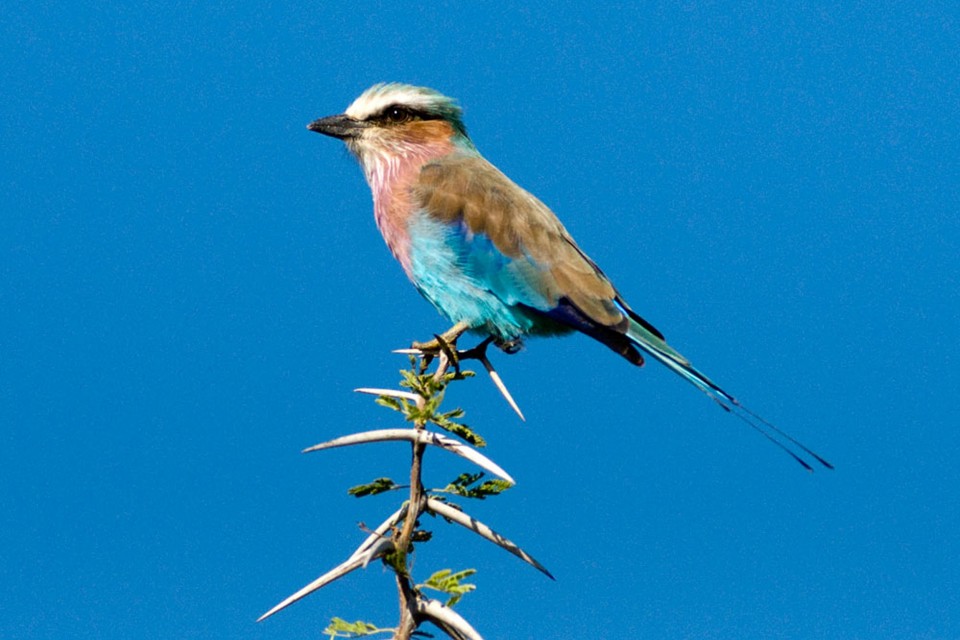
There are no fences between Sabi Sands and Kruger, which allows animals to roam freely between these two destinations. In addition to the sought-after Big 5, Sabi Sands is home to wild dogs, cheetahs, hyenas, hippos, and crocodiles, to name only a few. Birders can spot some of the over 500 bird species in the area, including martial eagles, ground hornbills, and kingfishers.
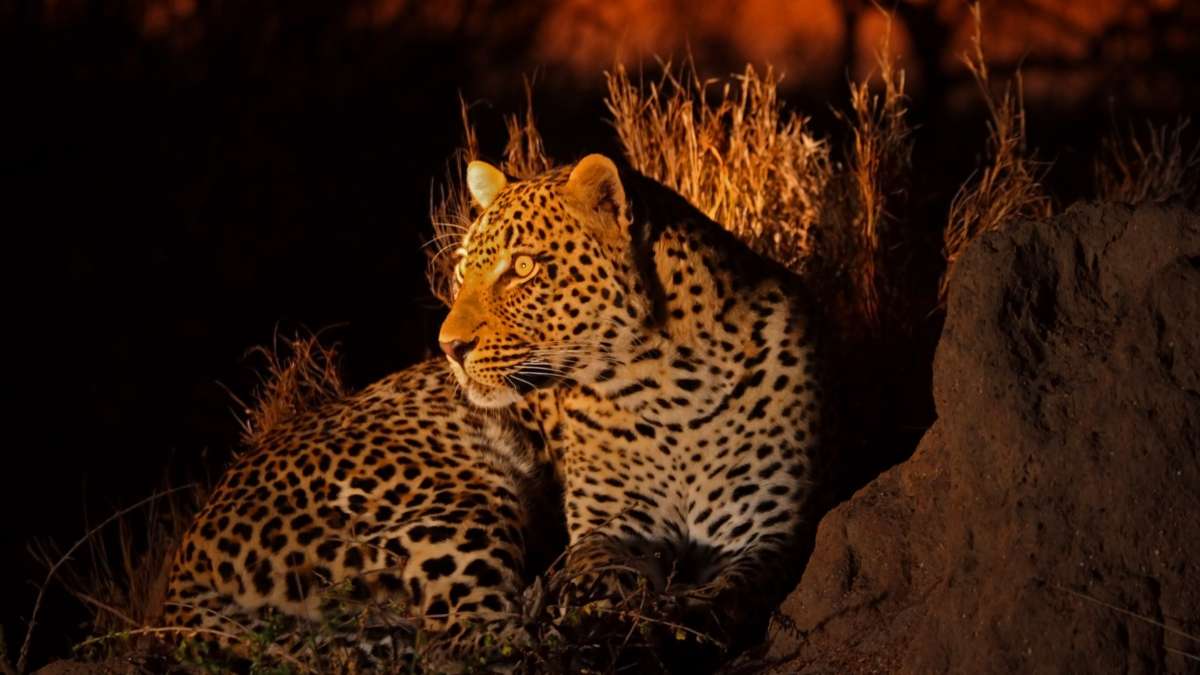
Unlike Kruger, the exclusive Sabi Sands safari experience includes off-road driving and night drives. Exploring the reserve at night means meeting some of the nocturnal animals, allowing a much deeper experience of the African bush.
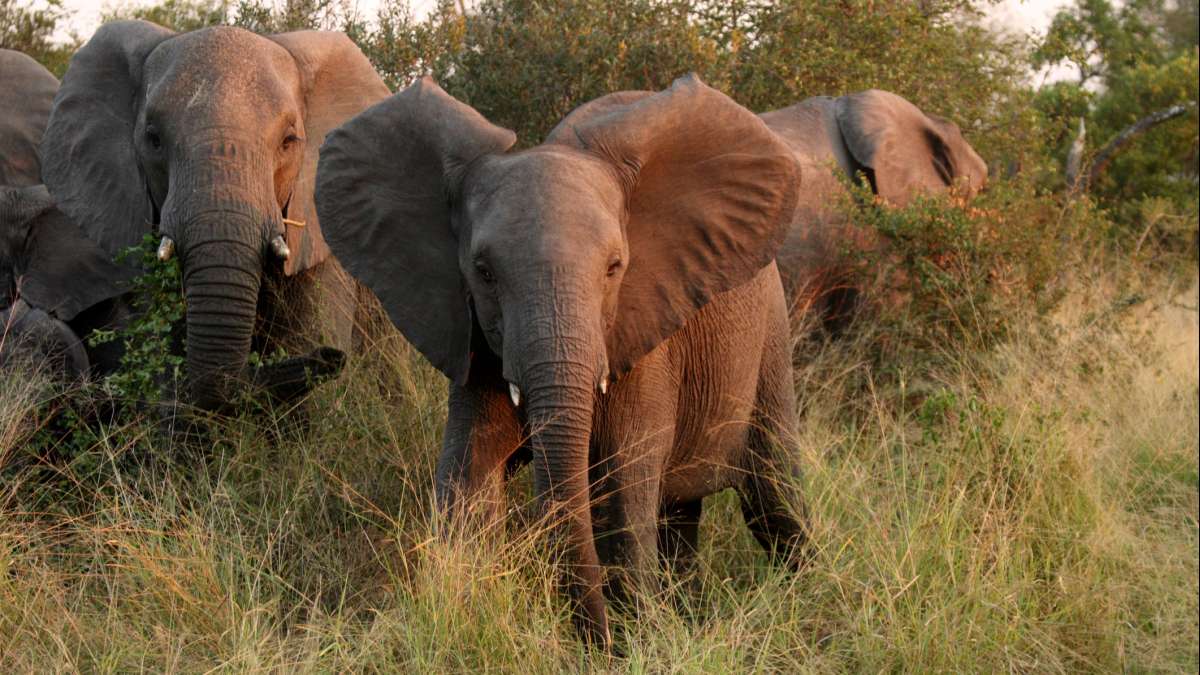
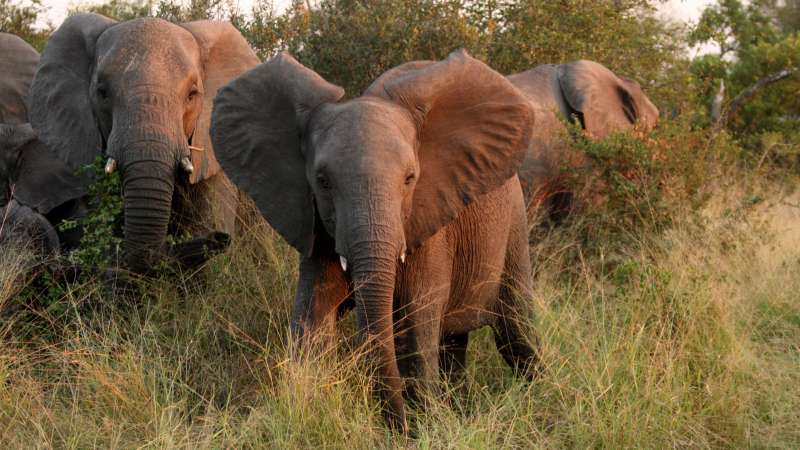
Sabi elephant herd
Sabi Sands vs Kruger National Park
The main difference between Sabi Sands and Kruger is that Sabi Sands offers exclusive, luxury safaris with off-road and night drives, while Kruger is a public park ideal for affordable self-drive adventures.
Sabi Sands is a private game reserve, while Kruger National Park is a government-run public reserve managed by SANParks.
Although they share an unfenced 50 km border, allowing wildlife to move freely between them, each park offers a unique safari experience.
Kruger National Park spans a phenomenal 19,000 km² of diverse landscapes. It is accessible to all budgets, from catering to self-drivers, campers, and lodge guests.
The road network in Kruger is excellent, and visitors are prohibited from venturing off-road. Game drives are restricted to daylight hours and to public routes. Because of the ease and accessibility, during the peak season, Kruger gets very busy with self-driving vehicles. However, the diversity of Kruger’s various ecosystems, fauna, and flora is unparalleled, making it the ultimate self-drive safari destination.
Sabi Sands is just 630 km², and is divided into exclusive concessions with luxury lodges. No day visitors or self-drive safaris are allowed into Sabi Sands. There are no camping facilities either. Safaris in Sabi Sands are led by superb rangers who can go off-road and continue into the night. Vehicles at sightings are restricted to 3 at a time, and there is a time limit on how much time you can spend on a single sighting. Sabi Sands, therefore, offers an exceptional and intimate wildlife experience where it is possible, on occasion, to tick off the Big 5 in a single day.
While Kruger is ideal for affordable, flexible safaris and longer stays, Sabi Sands is known for its luxury safaris, a more private, personalised experience.
Named after two rivers, the Sabi River and the Sand River, Sabi Sands Private Game Reserve is a pioneering conservation success story.
Established in 1934 and officially named in 1948, the reserve evolved into one of Africa’s most prestigious safari destinations. In 1993, the park achieved a major milestone by having a 50 km stretch of fence that separated Sabi Sands from Kruger National Park removed. The open border allows wildlife to roam freely between these two iconic safari destinations. Today, Sabi Sands is still guided by the original founding families who have a commitment to sustainable tourism and nature conservation.
Sabi Sands remains a leader in conservation with ongoing leopard research and anti-poaching initiatives. The success of these initiatives is borne out by the relaxed nature of the animals within the reserve and the abundance of both predators and prey.
By staying at this luxury safari destination, visitors contribute directly towards the ongoing protection of this wild ecosystem.
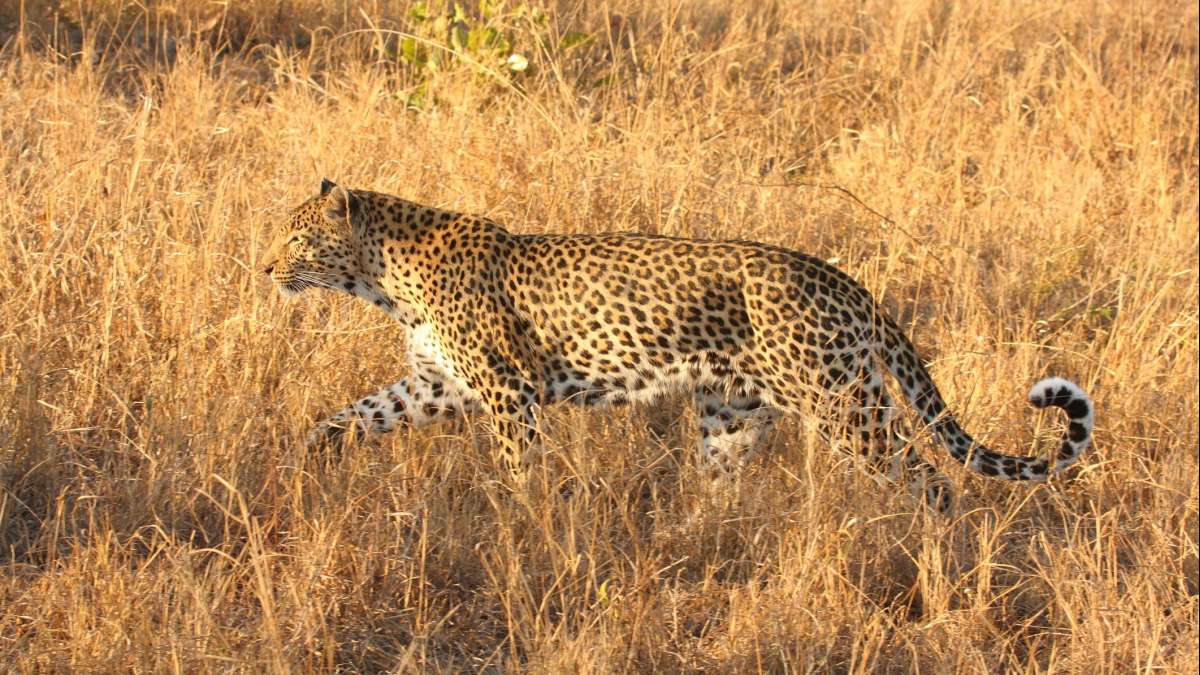
Leopard in sabi on night drive
Easy Safari Combinations
Sabi Sands pairs easily with several iconic Southern African destinations.
The most popular combination is with the Kruger National Park. Visiting both parks allows visitors the luxury of a Sabi Sands visit with the freedom and convenience of a Kruger self-drive experience. Most itineraries will take in the Panorama Route when travelling overland between Johannesburg and Kruger. The Panorama Route offers dramatic scenery, waterfalls, and canyons.
When visiting South Africa, most guests want to get a taste of Cape Town for culture, cuisine, and coastal beauty, or travel along the famous Garden Route for beaches, forests, adventure, and whale watching. From Skukuza, Kruger’s main camp, which is under an hour from Sabi Sands, guests can connect with Johannesburg or Cape Town.
From Johannesburg and Nelspruit, it is possible to fly directly to Victoria Falls. Easy add-ons to other Southern African destinations are both easy and convenient. Talk to an experienced safari consultant to find out the best combination for you and your budget.
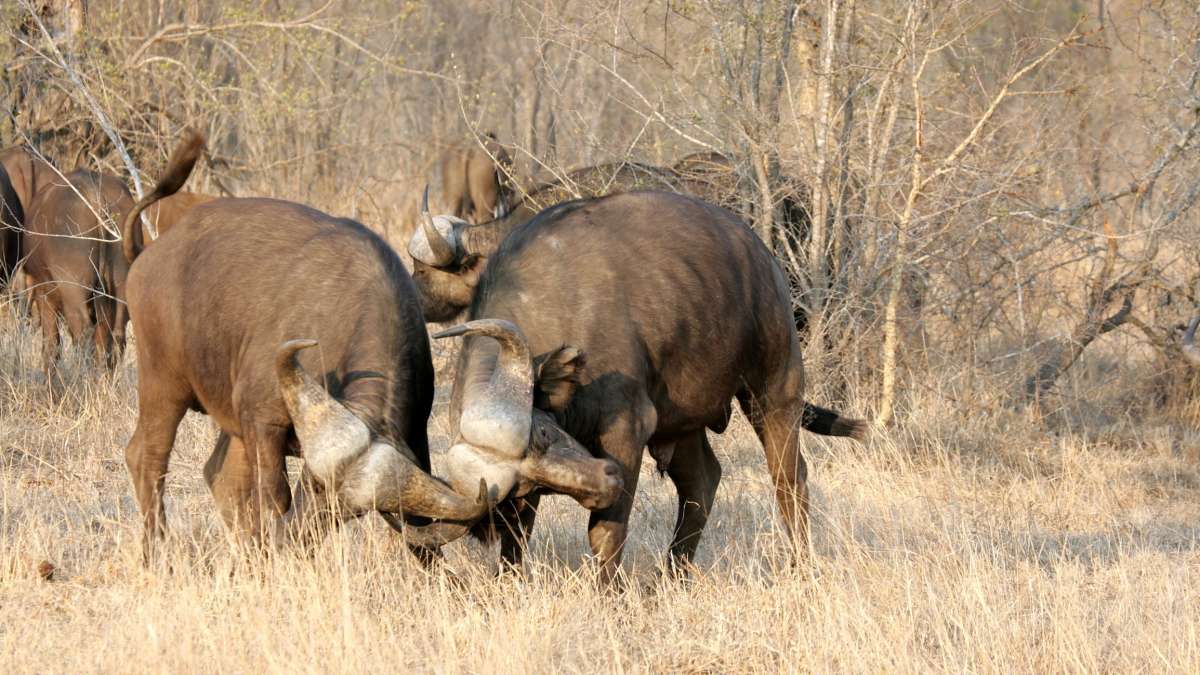
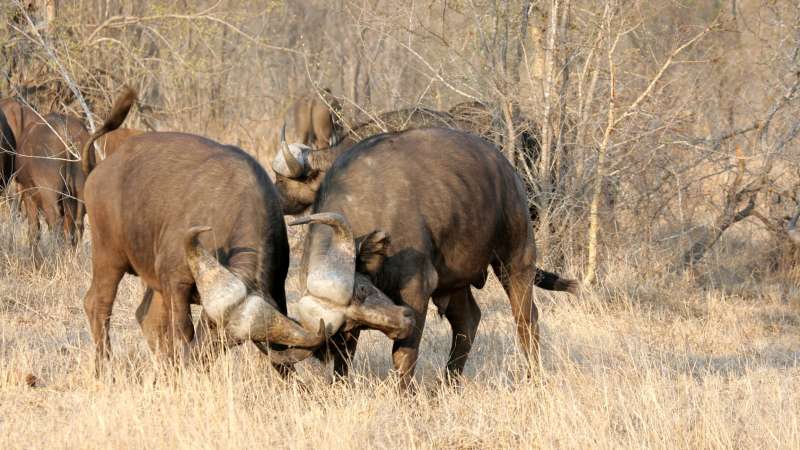
Buffalo bulls fighting in sabi sands
Need Help Planning Your Visit to Sabi Sands?
African Budget Safaris makes Sabi Sands an option for every safari budget.
We’ve carefully curated 15 Sabi Sands safari packages, which range from 3 to 7-day adventures that deliver the ultimate Big Five experience. African Budget Safaris also specialises in bespoke itineraries tailored to your needs.
Whether you're after a private escape to Sabi Sands or a more budget-friendly group safari that takes in destinations like Cape Town, Durban and Isimangaliso, or Victoria Falls, our expert consultants can help design the trip that suits both your travel style and budget.
Speak to one of our experienced South Africa-based travel consultants and start planning your Sabi Sands safari today.
The best time to visit Sabi Sands is during the dry winter months from May to September, when vegetation is sparse and wildlife is easiest to spot around permanent water.
Sabi Sands, January to March
Expect hot, wet, and humid conditions, with lush vegetation during this period. January to March is an ideal time for birding. Look out for the marula trees bearing fruit in January, and the kudu and buffalo breeding season in March. March is traditionally the last month that receives heavy rainfall.
April to June in Sabi Sands
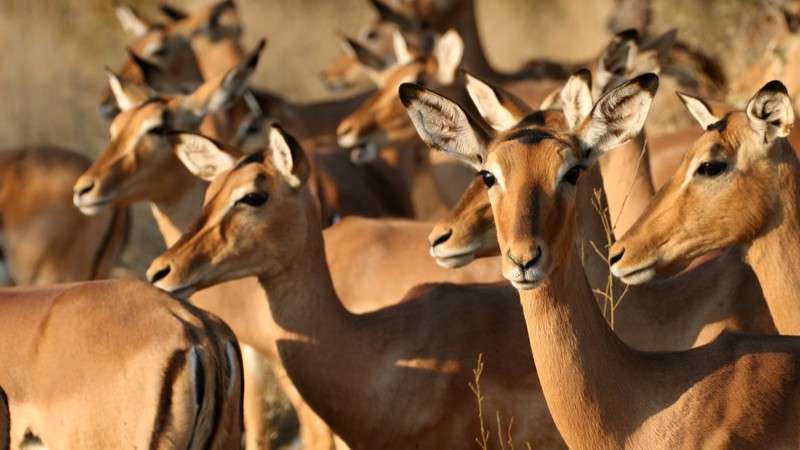
April marks the end of the rainy season. At this time, the bush is still lush, and while game viewing can be trickier, warthogs, antelope, and wildebeest are common during their mating season. By May, the vegetation begins to thin as the landscape feels the bite of winter. June is both the coldest and the driest month in Sabi Sands. Humidity is low, and daytime temperatures are mild, but evenings and early mornings can be cold. As the bush thins, game viewing becomes easier and more rewarding.
Sabi Sands, July to September
July to September is the best time to visit Sabi Sands for game viewing. Mild daytime temperatures, drier bush, and wildlife congregating near water sources are perfect conditions for a rewarding safari. This is the best time to spot leopards, lions, and large herds of elephants. September marks the start of spring with gradually warming temperatures.
October to December in Sabi Sands
October marks the start of the rainy season, with hot days and afternoon thunder showers. It is a dramatic time of year, excellent for photography. As October turns to November and the weather warms, the bush begins to turn green and grow thick. November and December are hot and humid, but this is the perfect time for a bush and beach break that combines Kruger with KwaZulu Natal or Cape Town. With the increased rainfall and ever-thickening bush, migrant birds arrive, and baby animals are abundant.
Visiting Sabi Sands Nature Reserve is a once in a lifetime opportunity for many people. Excellent accommodations and the chance to see all of the Big 5 in a single trip is an enticing prospect. African Budget Safaris has curated 15 Sabi Sands tours that range from 3 to 7 days, and can include the Panorama Route, visits to Kruger, game drives, and bush walks. These are our most popular Sabi Sands safaris.